






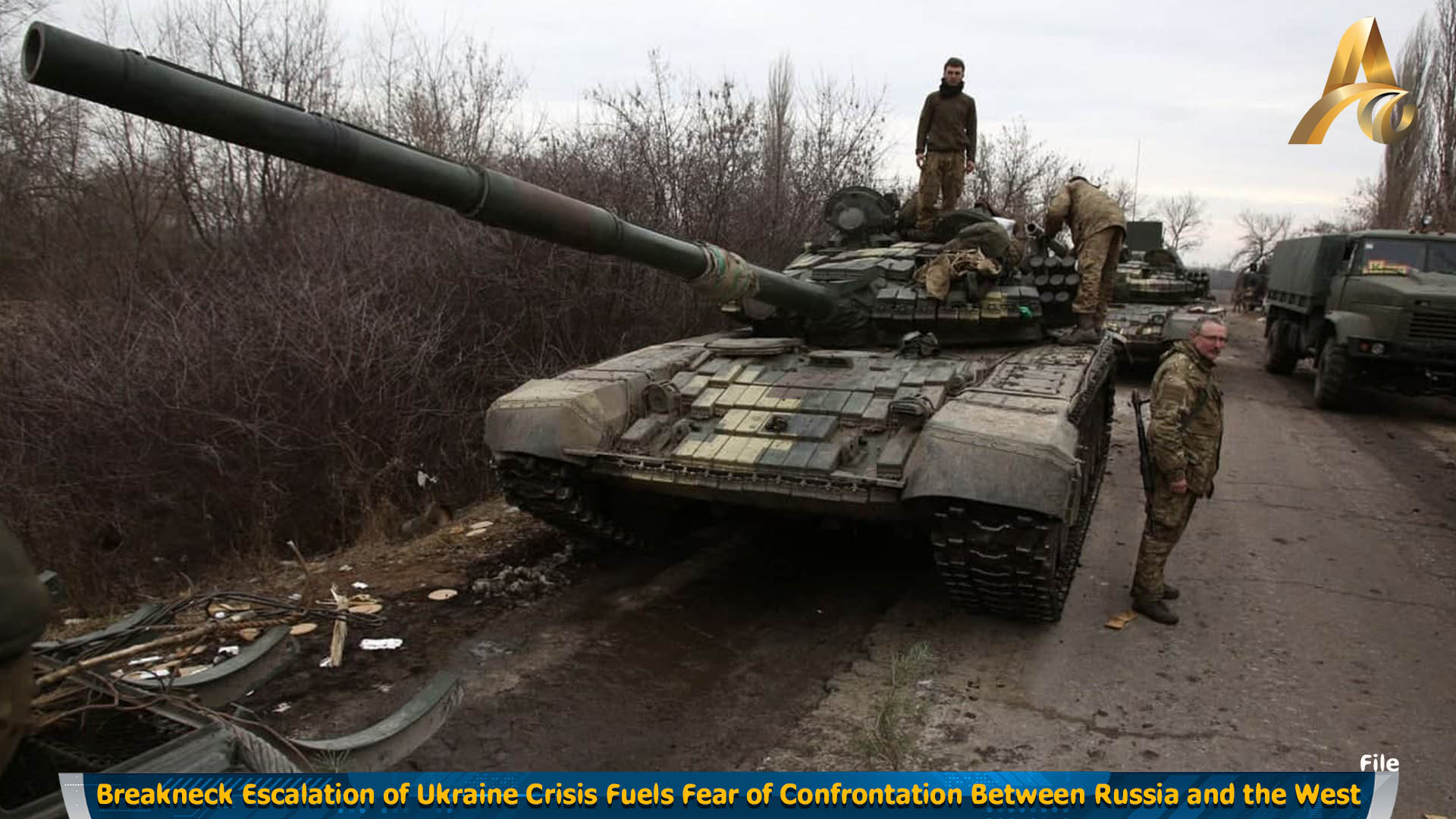
Breakneck Escalation of Ukraine Crisis Fuels Fear of Confrontation Between Russia and the West








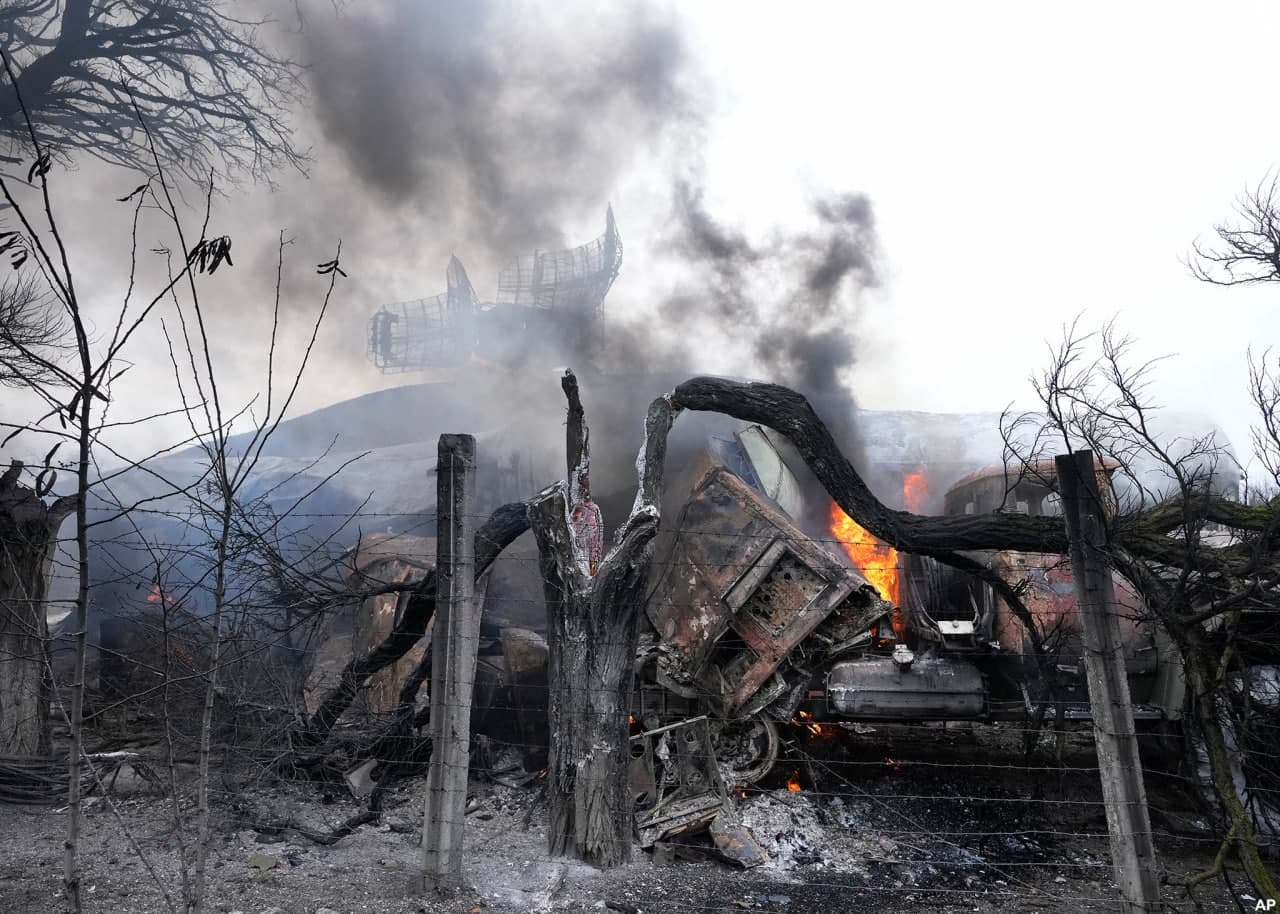
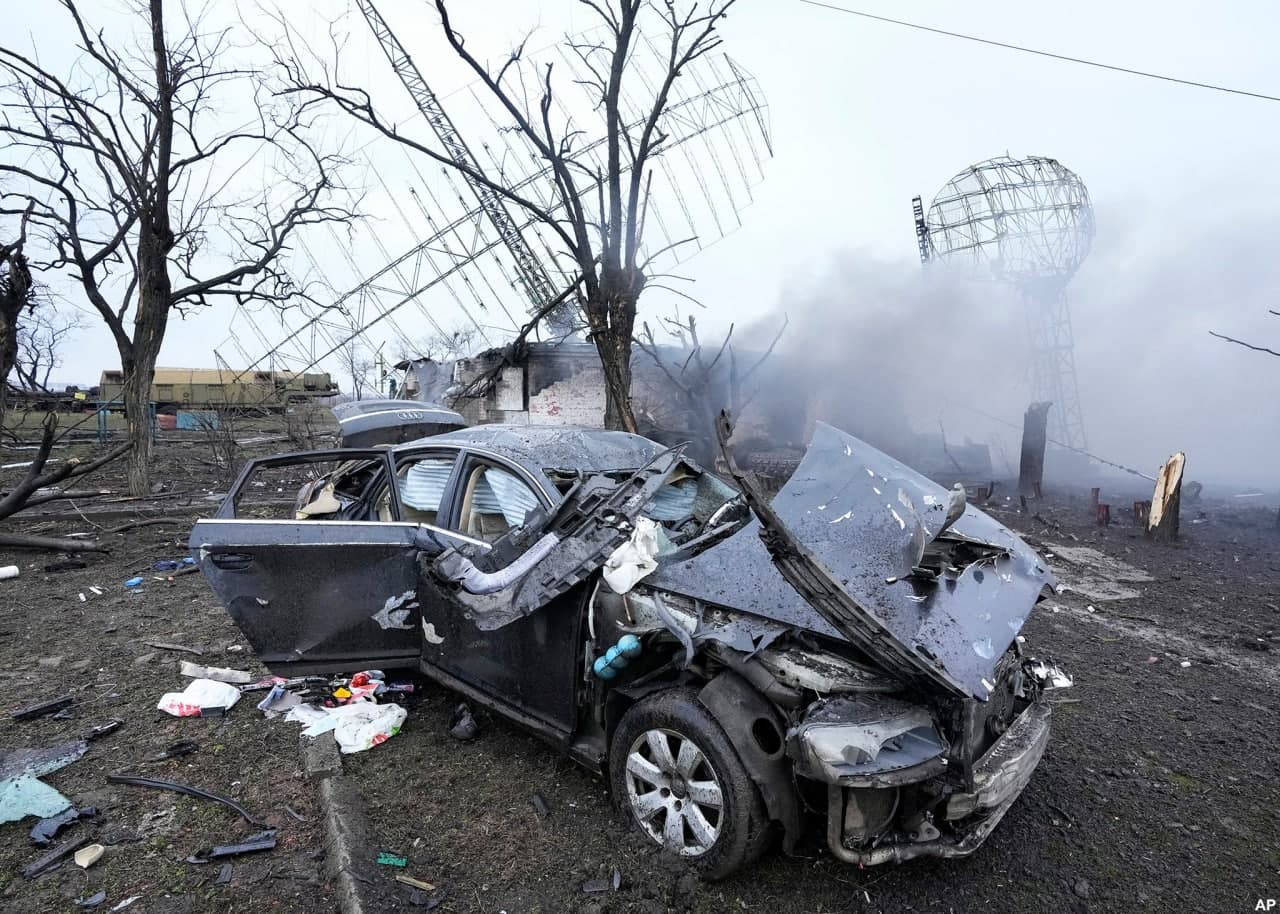
INTERNATIONAL: Russia, effecting economic crisis under the weight of devastating Western sanctions, has put its nuclear forces on alert as the Kremlin’s siege of Ukraine intensifies.
The United States and its NATO partners have sent thousands of troops and advanced weaponry to harden defenses in the alliance’s eastern flank while funneling billions of dollars’ worth of military hardware to Kyiv, moves met by the Kremlin with threats of “consequences.”
There is no deconfliction line,nor, according to U.S. officials, does Moscow seem interested in one.
The rapid escalation, observers say, has made the once-theoretical risk of direct confrontation between Russia and the West a tangible possibility with little hope of the tension subsiding, maybe for years to come.
According to a Russian expert, Russia’s advance through Ukraine has brought the Kremlin’s forces closer to NATO’s borders. Should those troops remain in Ukraine and Belarus, the “contact line” would shift “significantly west,” and that changes the strategic landscape.
Russia’s moves have compelled Western officials last week to activate the NATO Response Force and its Very High Readiness Joint Defense Force for the first time in the alliance’s history. The mobilization, NATO Secretary General Jens Stoltenberg has said, is meant to deter a Russian attack and prevent the war in Ukraine from spilling over into any NATO-allied country.
President Biden has ruled out putting U.S. troops in Ukraine, but he has authorized the deployment of an additional 14,000 military personnel along with elite F-35 fighters and Apache attack helicopters to allied countries in the Baltics and Eastern Europe, a sign of how seriously the United States hopes to ward off the Russian threat.
Gestures and statements such as Stoltenberg’s and Biden’s are designed to dissuade Russian President Vladimir Putin from intentionally challenging the alliance’s resolve, but some wonder whether the message is getting through.
The President and CEO of the Center for European Policy Analysis, Alina Polyakova has said the Russian leader may be “ready and willing” to test the alliance’s commitment to its collective defense. She has pointed out that NATO’s 40,000-member response force “pales in comparison to Russia’s military capabilities” in the region; the Kremlin has about 150,000 troops in and around Ukraine.
Related News