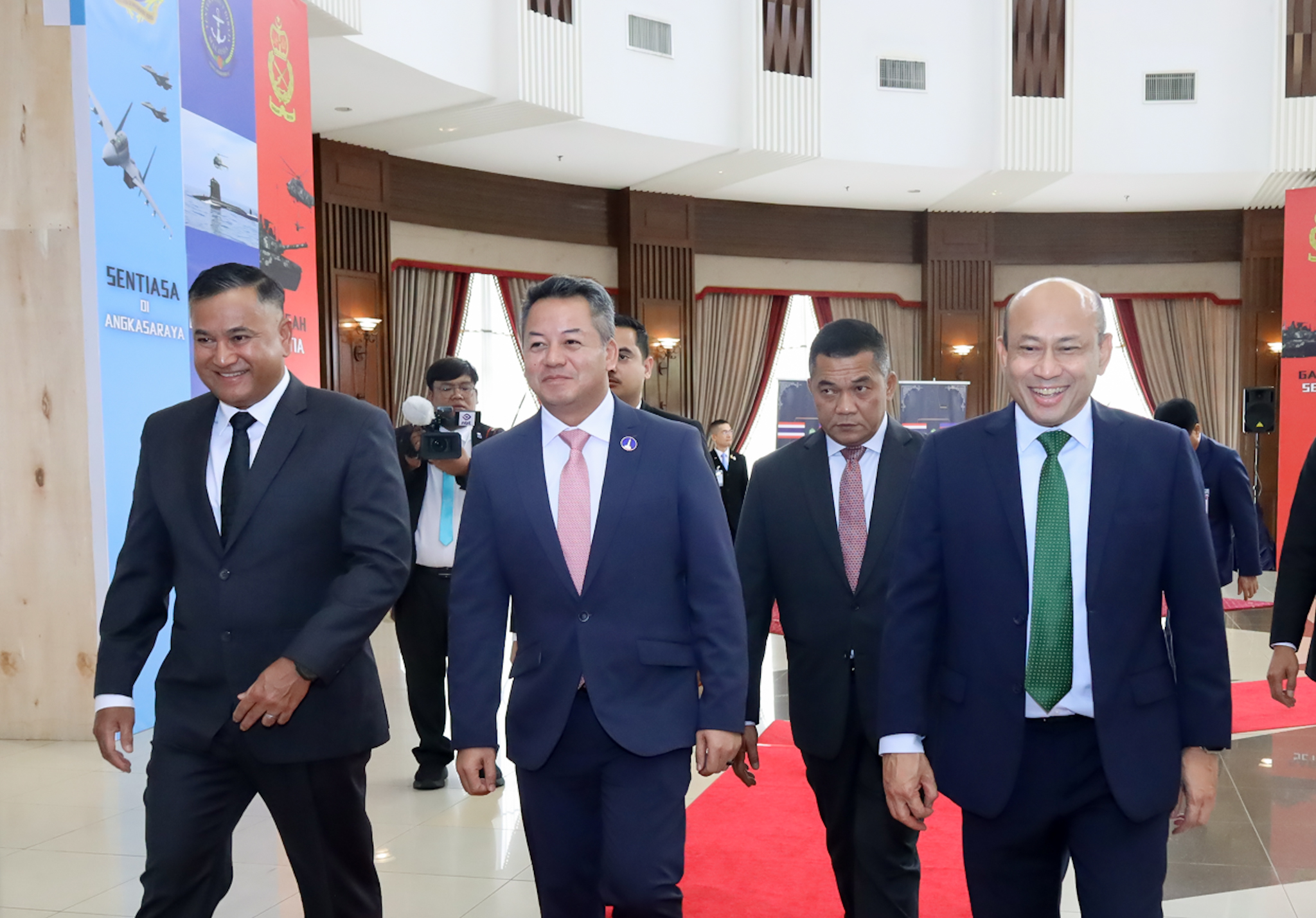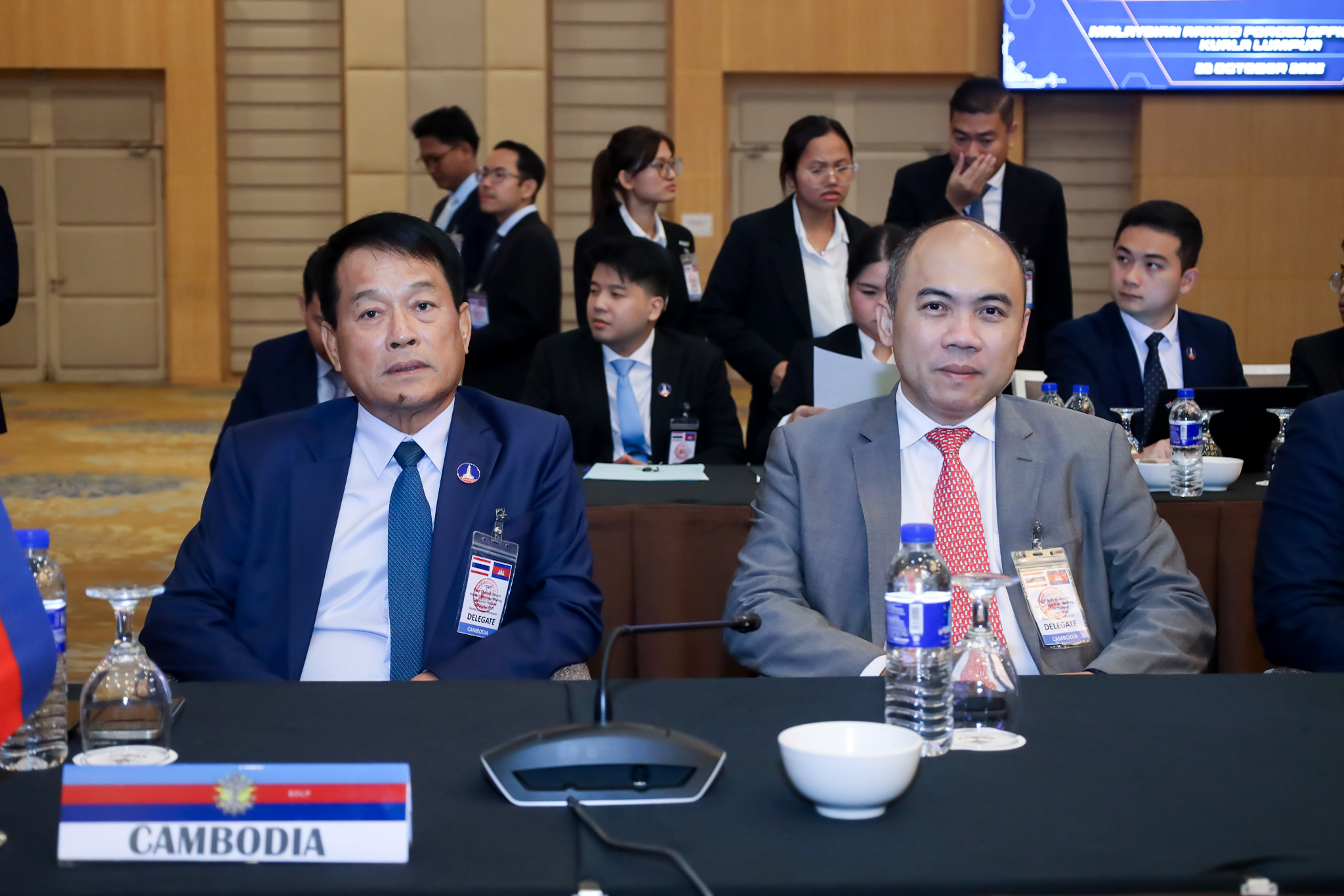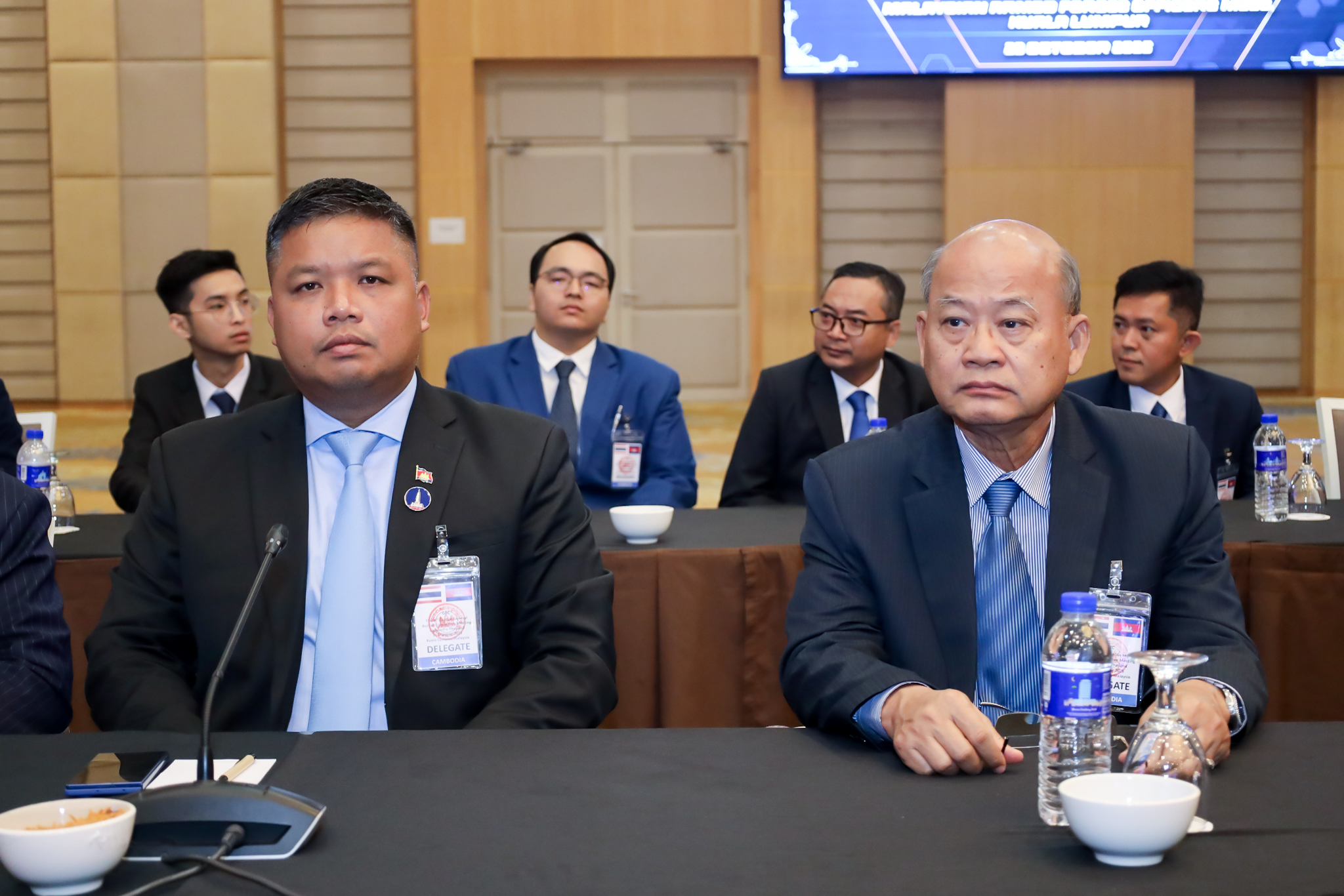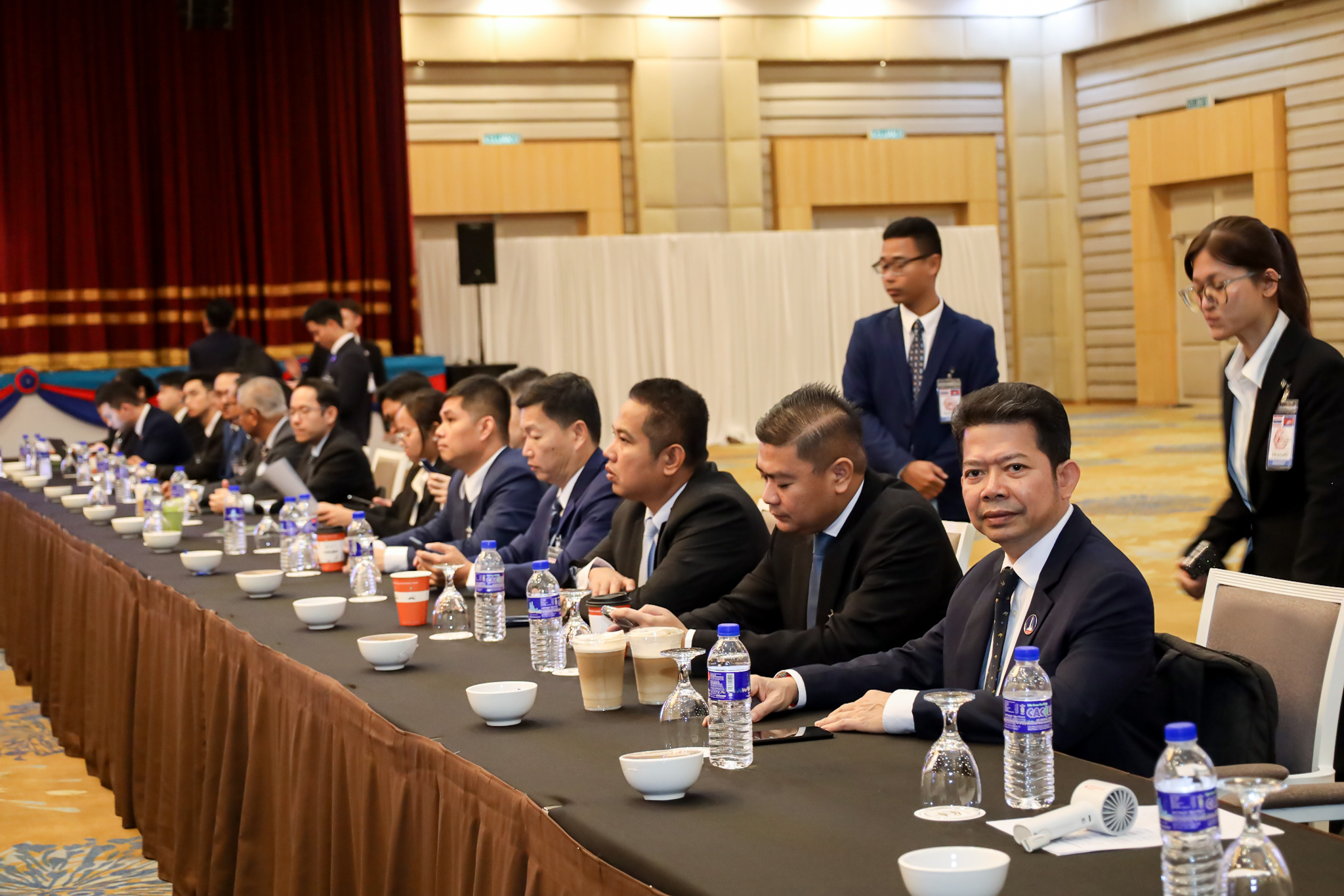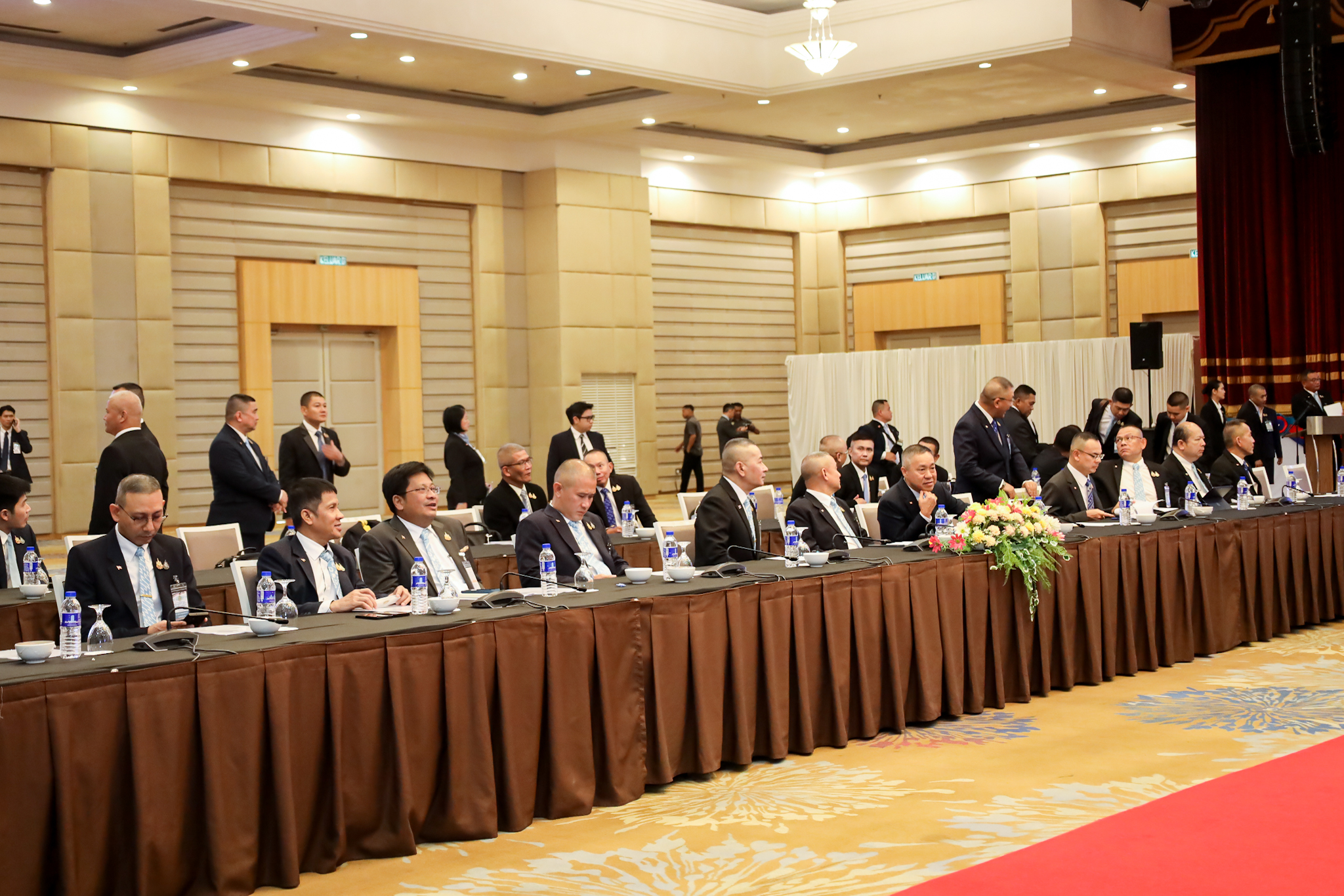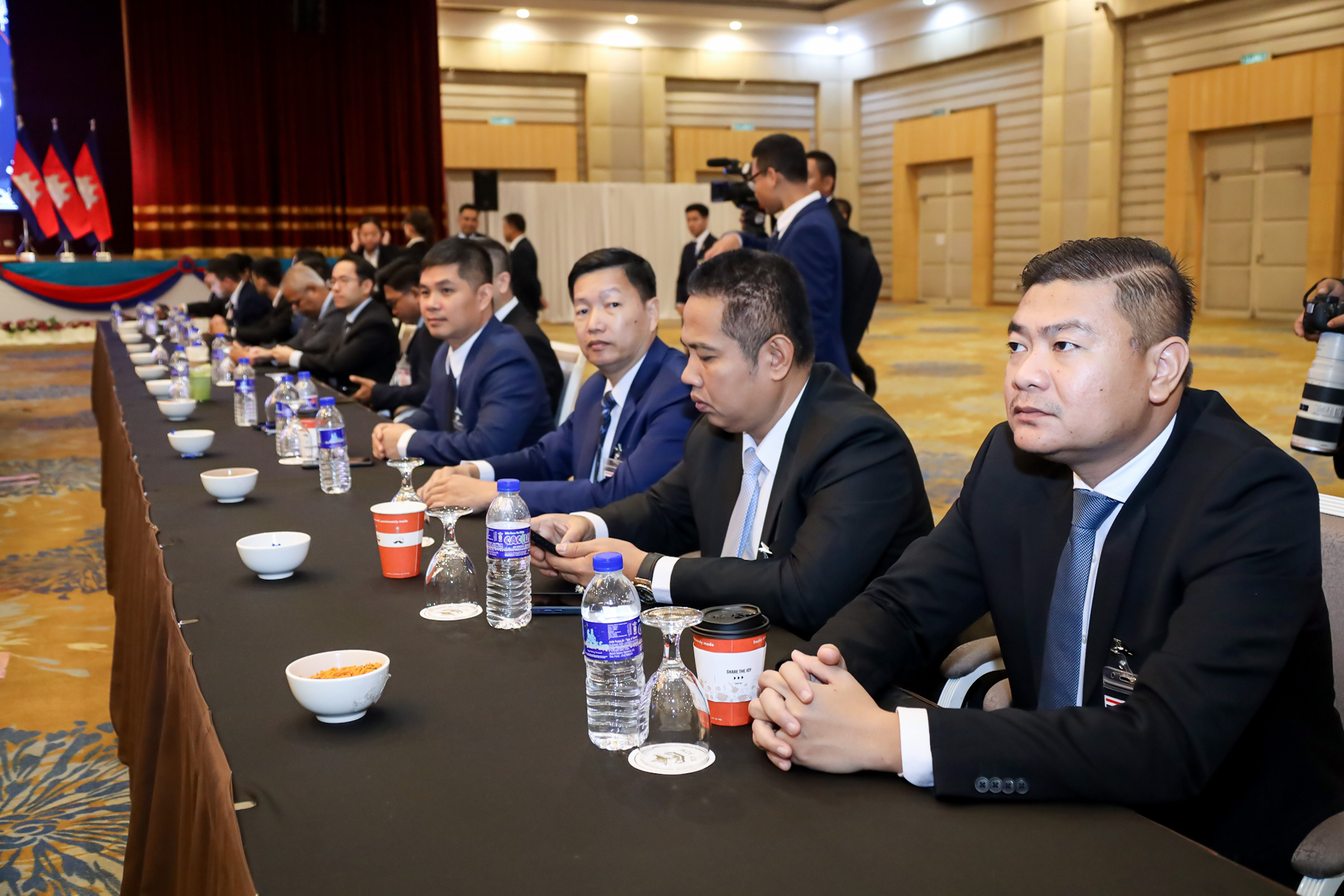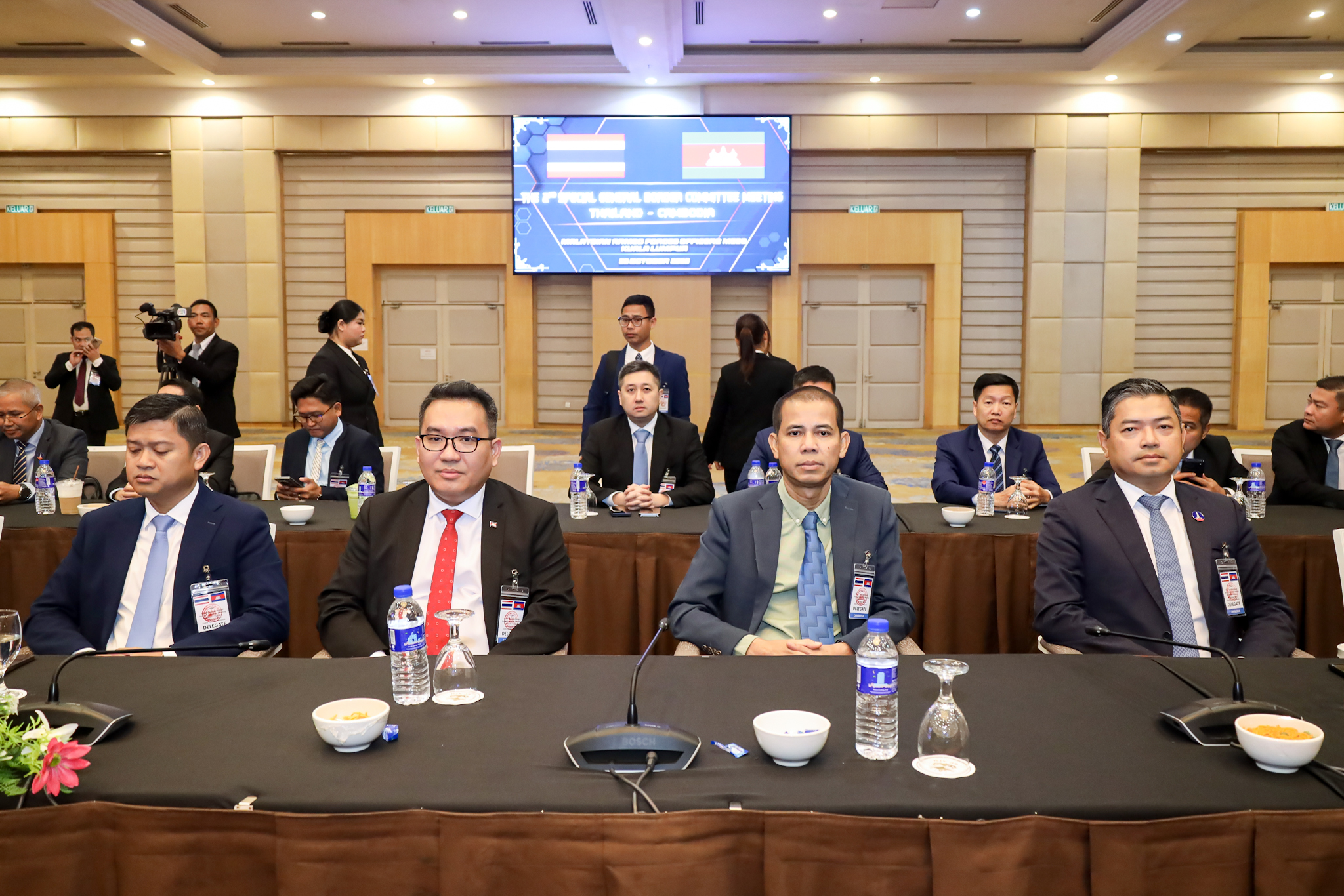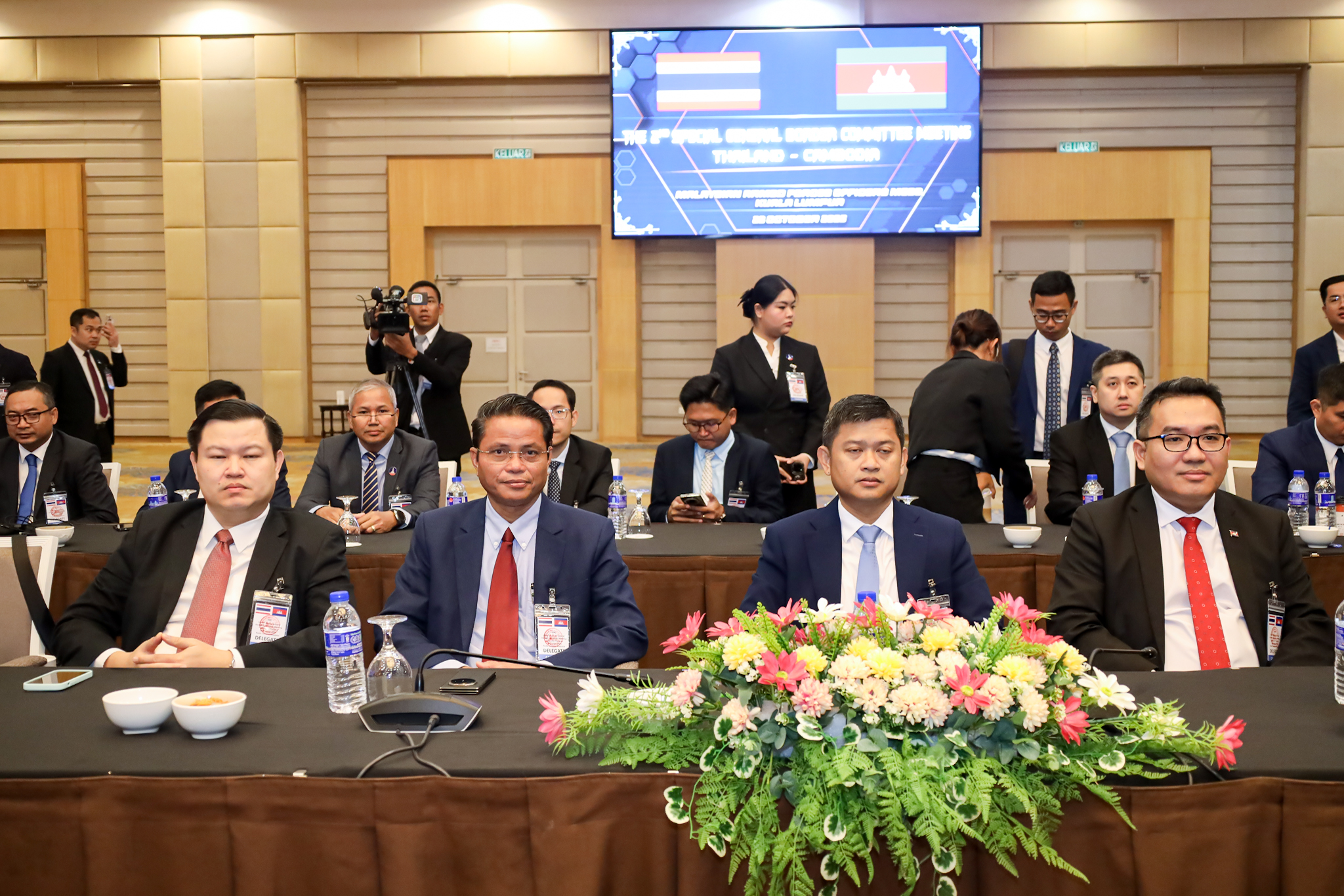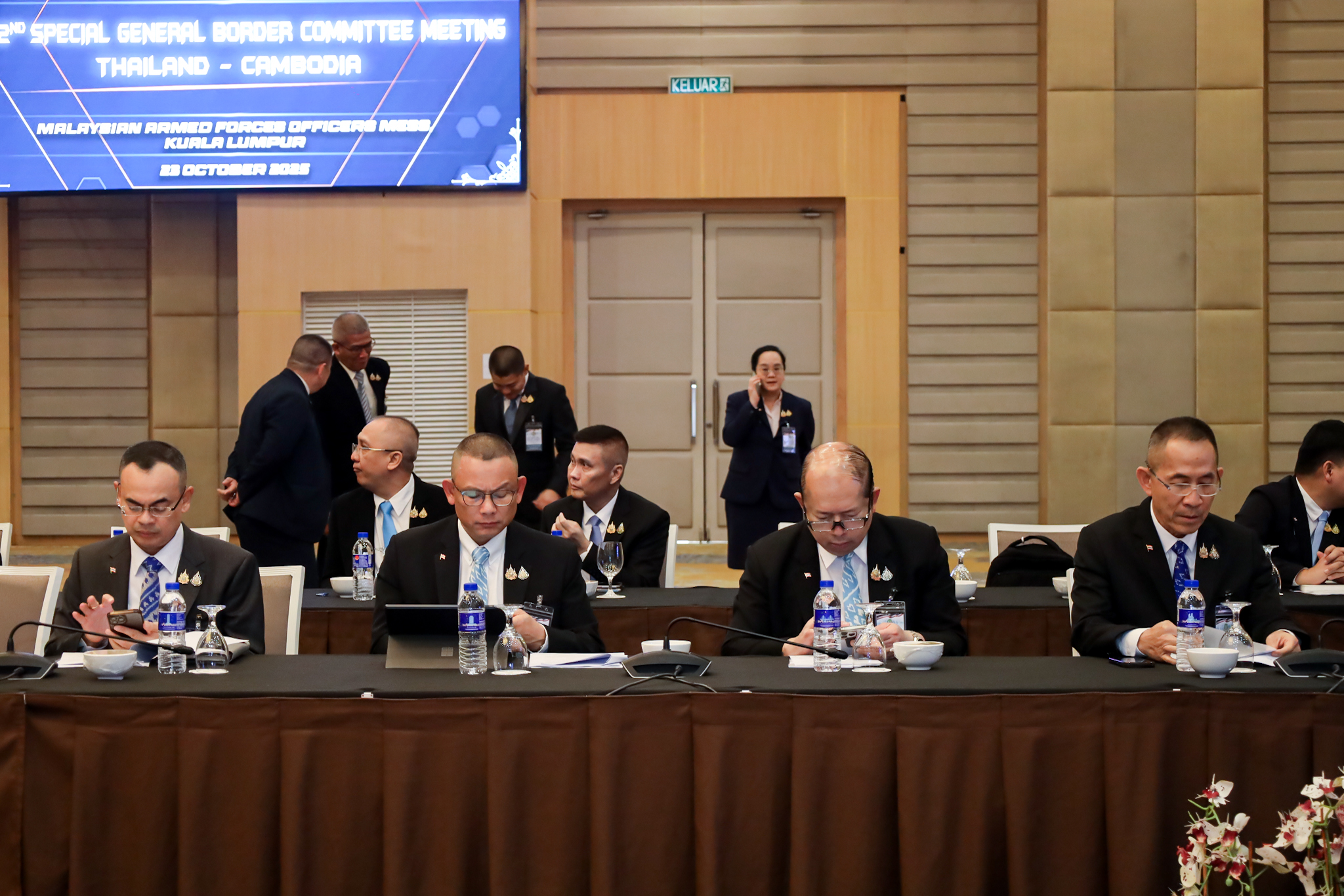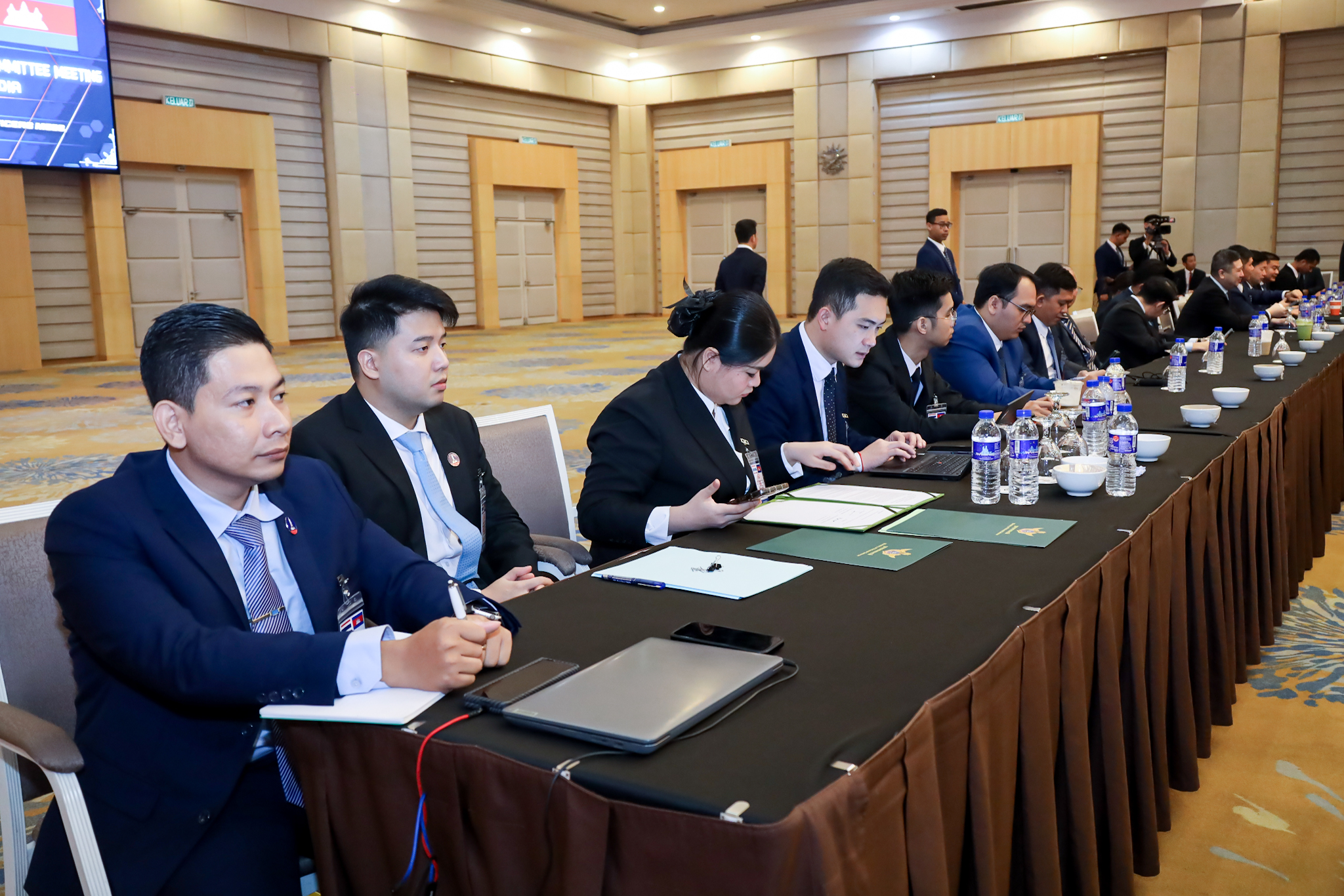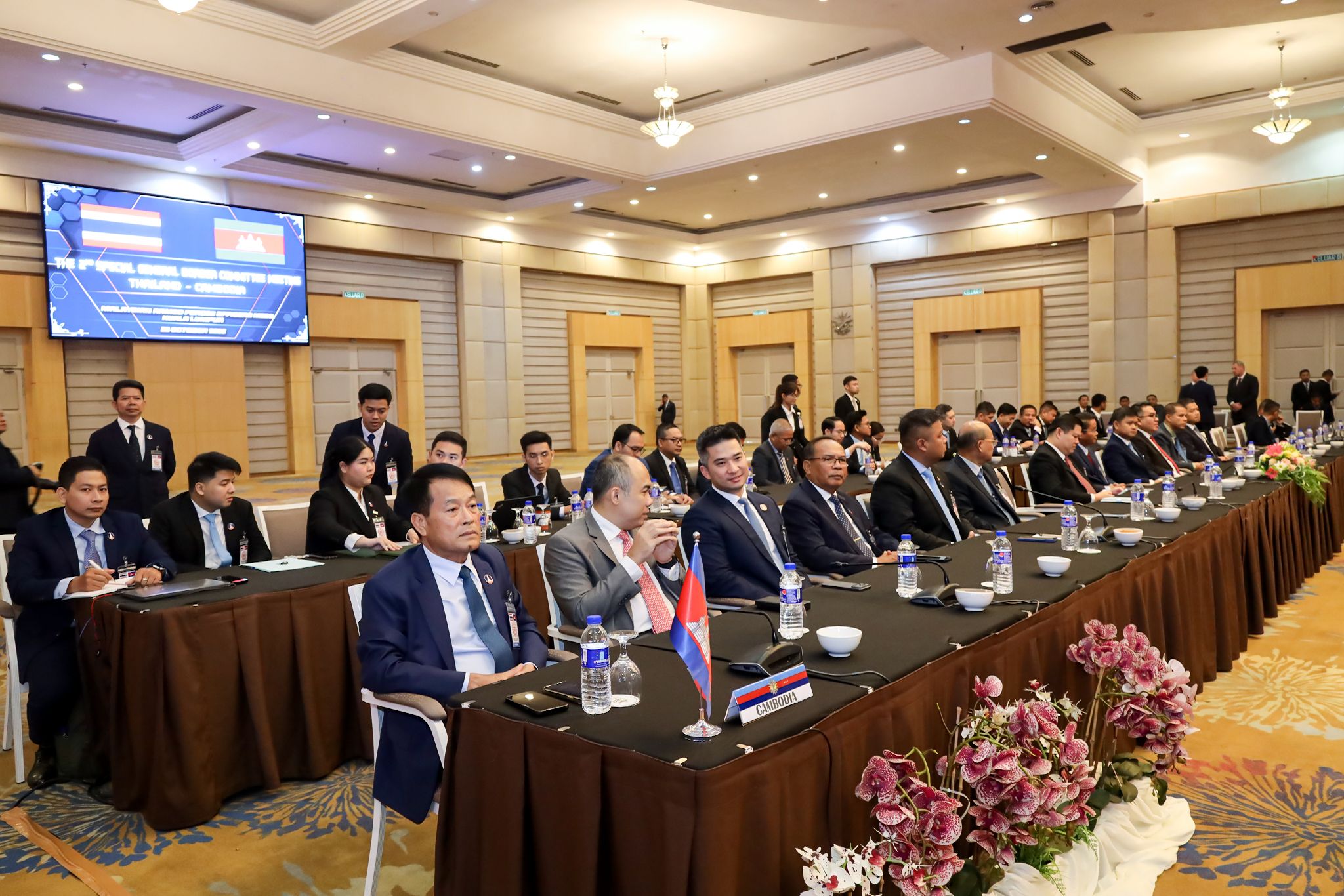







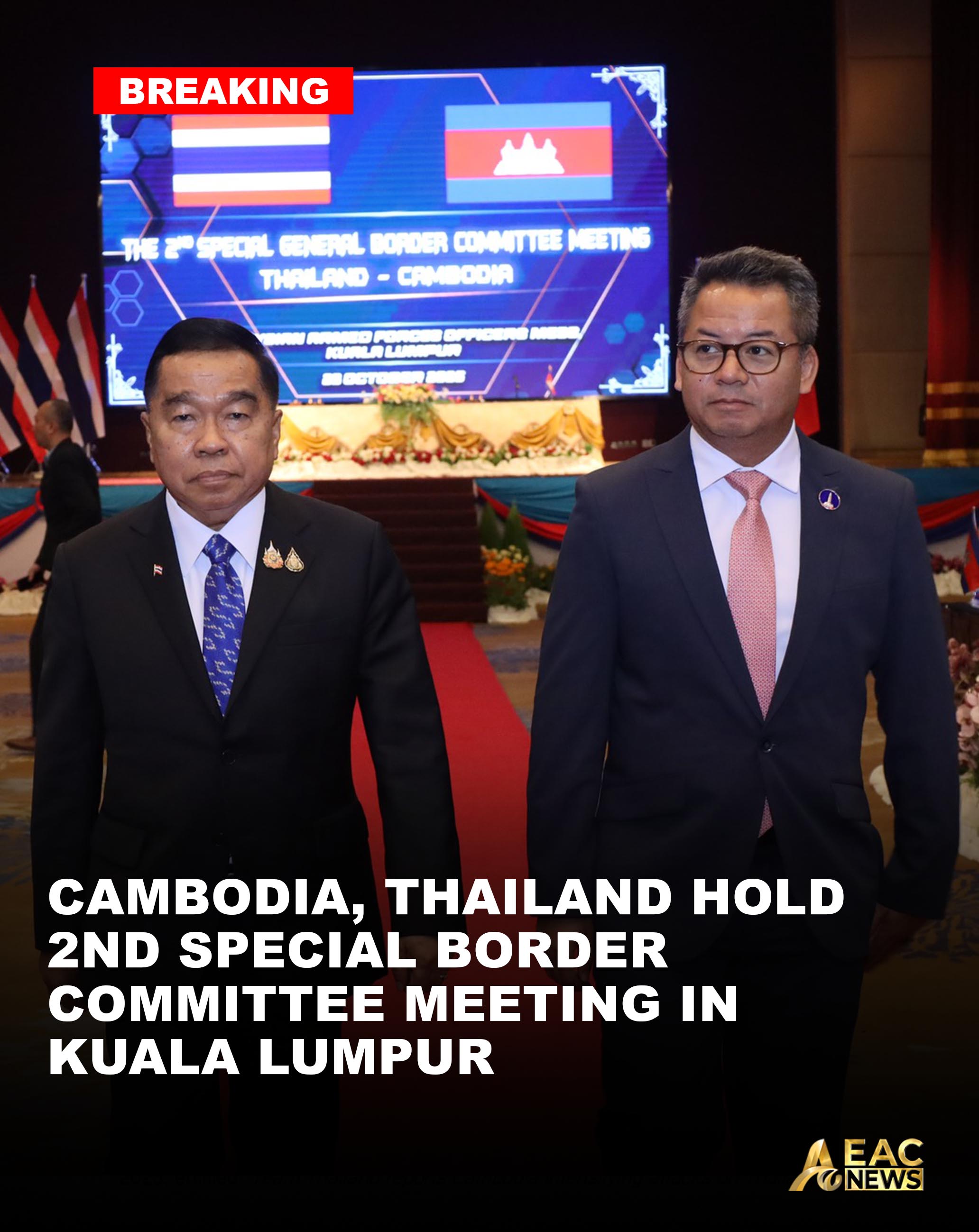








KUALA LUMPUR, Malaysia (Oct. 23, 2025) — Lieutenant General Maly Socheata, spokeswoman for the Ministry of National Defence of Cambodia, announced the successful conclusion of the 2nd Special General Border Committee (GBC) Meeting held today in Kuala Lumpur. The meeting, convened under the observership of key international and regional parties, aimed to advance efforts toward peace and stability along the Cambodia-Thailand border.
The meeting was attended by representatives from Malaysia, the United States, and members of the Inspection and Observation Team (IOT) from Cambodia and Thailand. The Cambodian delegation was led by His Excellency General Tea Seiha, Deputy Prime Minister and Minister of National Defence, who also serves as co-chair of the Cambodia–Thailand GBC. Thailand was represented by His Excellency General Nattaphon Nakphanit, Minister of National Defence, also serving as co-chair of the GBC.
This session followed the first special GBC meeting held on September 10, 2025, in Koh Kong Province, Cambodia. The current meeting served as a critical follow-up to review the implementation of agreements reached during the August 7, 2025, extraordinary meeting in Malaysia.
Socheata emphasized the importance of this dialogue, expressing confidence that the discussions would produce tangible results: "Cambodia firmly believes that the 2nd Special GBC Meeting will yield further fruitful outcomes and ensure the full and effective implementation of the ceasefire agreement. Our mutual goal remains to promote peace, stability, and a swift return to normalcy along the border region."
The meeting commenced this morning and concluded at 11:30 a.m. local time. Both co-chairs signed the Joint Agreed Minutes and the Joint Statement, reaffirming their shared commitment to these outcomes. “Both parties adopted and signed the documents, affirming a strong dedication to the full implementation of the agreements,” Socheata said.
The communiqué highlights ongoing efforts to maintain peace and stability in the border area, emphasizing the significance of diplomatic engagement and continued dialogue in resolving longstanding disputes. The joint commitments mark a positive step toward de-escalation and a durable bilateral peace process.