





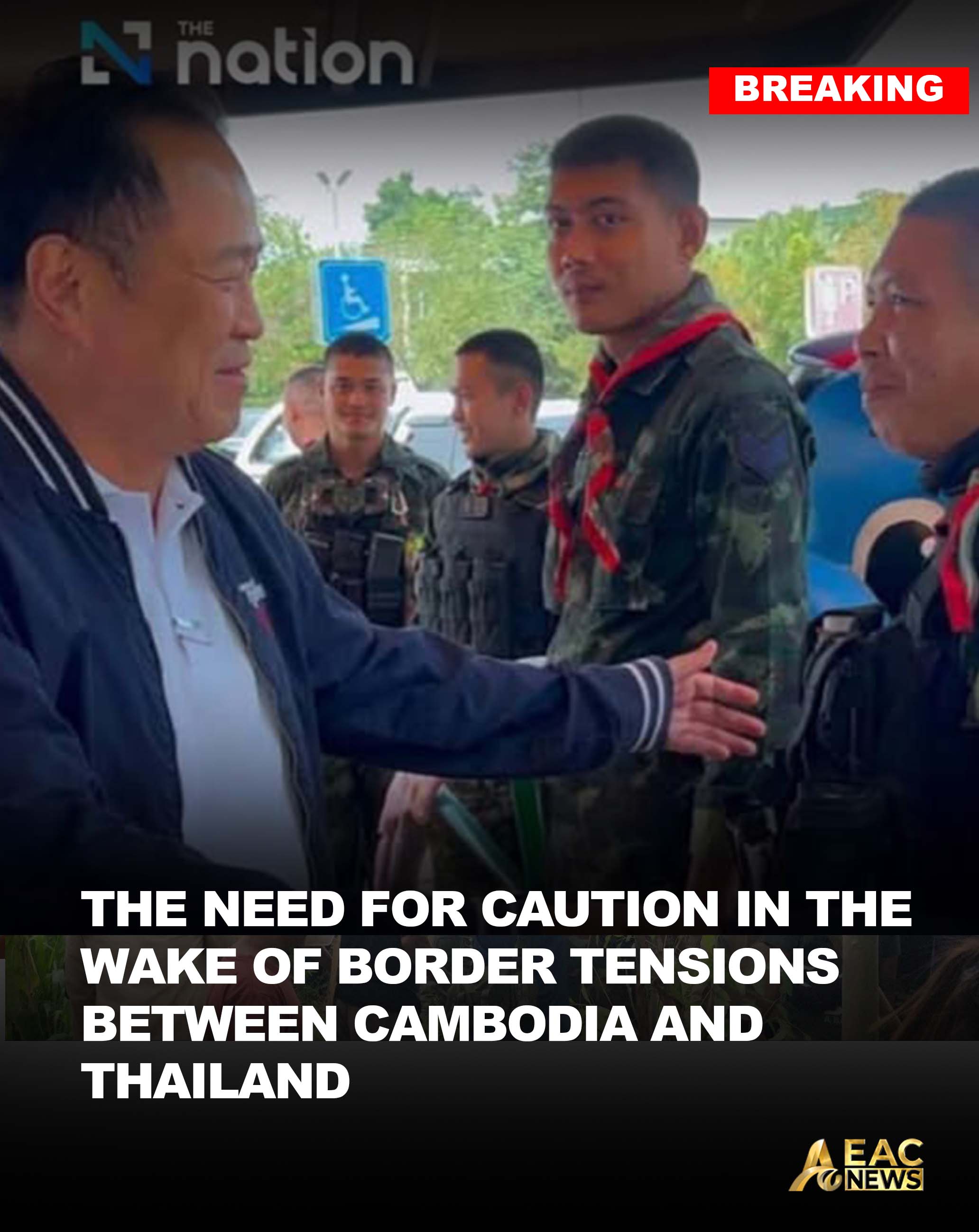








In an age where diplomacy should reign supreme, the unanimous decision by the commanders of Thailand's armed forces to close the border indefinitely with Cambodia raises alarm bells about the potential for escalation and the lengthening shadow of conflict.
This decision, voted upon during the fifth meeting of the armed forces chiefs in Bangkok, is a direct response to recent clashes that have resulted in the tragic loss of life. Yet, while the intention to safeguard national security is commendable, it risks exacerbating an already fragile geopolitical landscape.
The meeting commenced on a somber note with a moment of silence for the 15 Thai soldiers and civilians who lost their lives in these armed conflicts, underlining the human cost of such tensions.
However, despite the emotional weight, this decision appears to be more reactive than strategic. Closing the border and erecting fencing may offer a temporary illusion of security, but it does little to address the underlying issues that provoke such conflicts. With the announcement of additional measures, including increased patrols and the establishment of tactical roads, it becomes clear that the military's focus is geared towards containment rather than resolution.
The adoption of a new rules of engagement framework, which prepares soldiers for instantaneous self-defense against perceived threats by a small country, suggests a shift towards a militaristic posture that could inadvertently lead to miscalculations and further violence. And this framework will undoubtedly cost unpredictable destruction and human lives. Thailand must remember that the primary objective in any dispute should be dialogue and negotiation.
The closure of borders and the militarisation of the region can drive a wedge between communities that have coexisted for centuries. Heightened tensions not only jeopardize bilateral relations but also disenfranchise local populations who are often caught in the crosshairs of political ambitions.
It is imperative that the leaders of Thailand seek resolution through diplomatic channels before the situation spirals out of control. Both countries have historically faced their share of disputes; however, the path towards peace is often best paved with cooperation rather than confrontation.
As the Thai army installs surveillance equipment near the Cambodian border and warned of enforcing Thai Laws in a territorial sovereignty of its neighbouring country, one cannot ignore the importance of augmenting communication lines rather than solidifying divisions. It is essential to foster an environment where issues can be resolved fairly through dialogue, free from the threats of military might and fear.
In moments like these, we must remember the words of Mahatma Gandhi: "An eye for an eye will only make the whole world blind."
It is time for Thai leaders to resist the temptations of aggression and look towards a brighter, more peaceful future-one that values the lives and safety of all its citizens over mere territorial disputes left behind by the French colony.
As the situation unfolds, Thai citizens on the border are left to wonder if their leaders will prioritize peace or further entrench them in conflict. The choice is theirs, and history will judge them accordingly.