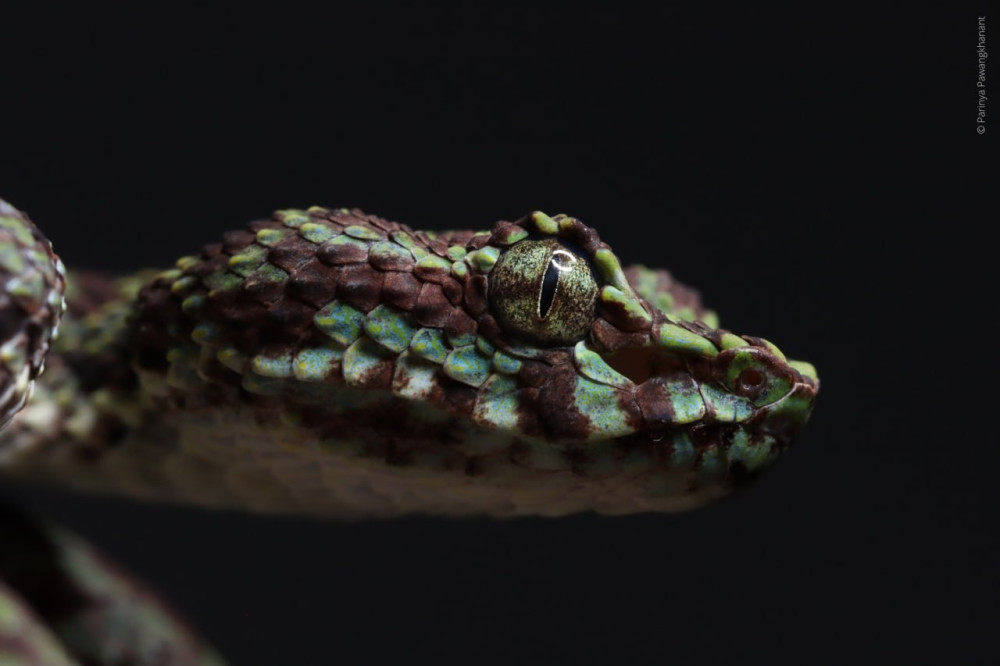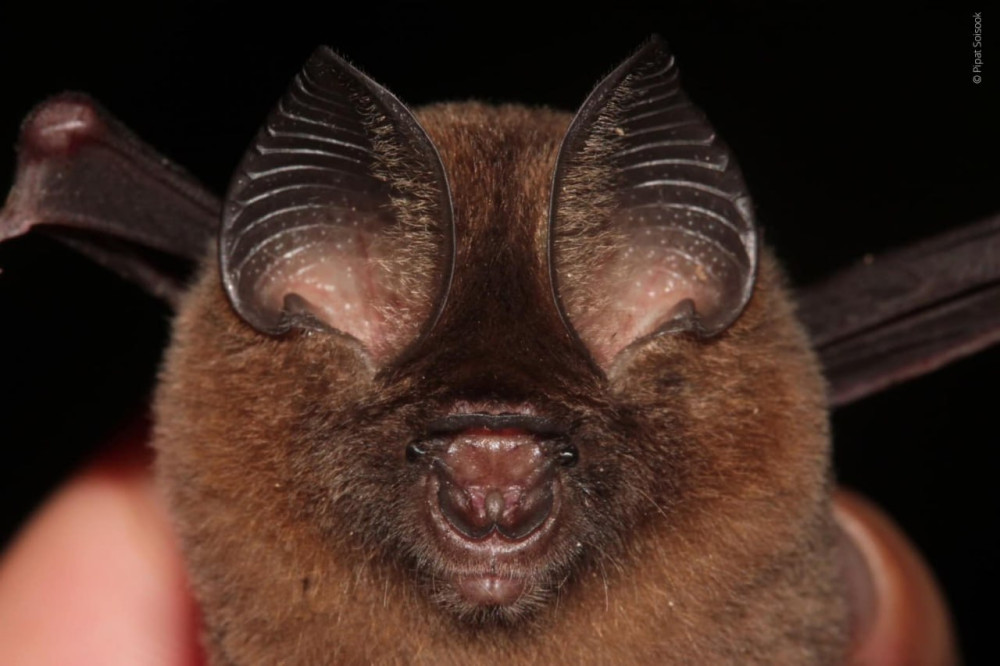







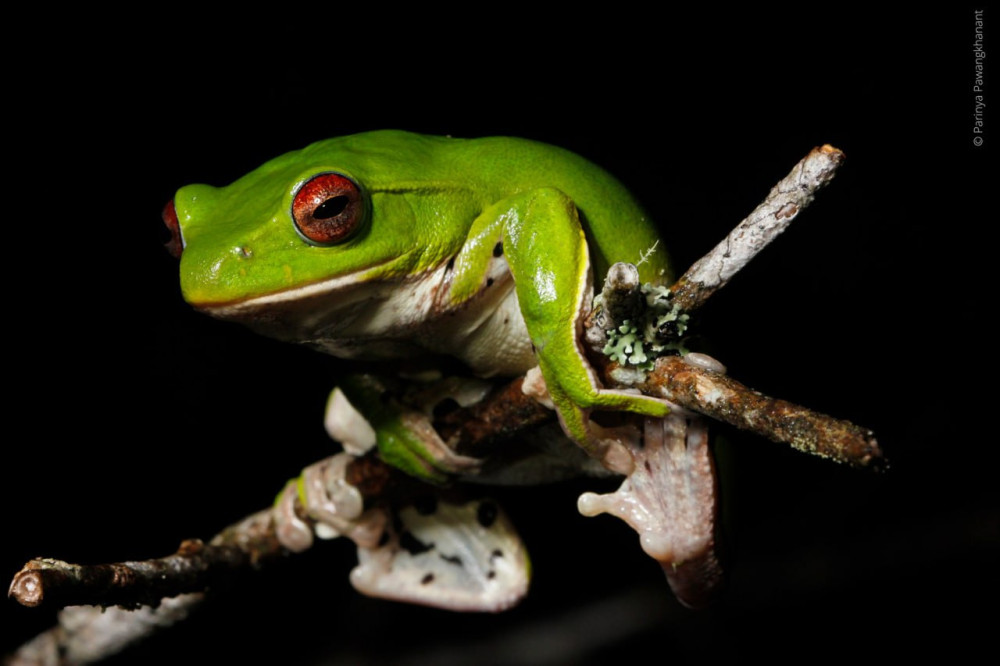








PHNOM PENH, October 18, 2024 — A report by the World Wildlife Fund (WWF), released on December 16, reveals the discovery of 234 new species in the Greater Mekong region in 2023. The findings include a unique lizard, a soft-furred hedgehog, a high-altitude crocodile newt, a freshwater fish popular among aquarium enthusiasts, and a new genus of palm tree.
The report highlights the efforts of hundreds of scientists from universities, conservation organizations, and research institutes worldwide, who documented 173 vascular plants, 26 reptiles, 17 amphibians, 15 fish, and three mammals across Cambodia, Laos, Myanmar, Thailand, and Vietnam. Since 1997, a total of 3,623 vascular plants and vertebrate animals have been described in the region.
“Although these species were just recorded by scientists last year, they have been living in their unique habitats of our region for many millennia,” said Chris Hallam, WWF-Asia Pacific regional wildlife lead. “Each species is a critical piece of a functioning, healthy ecosystem and a jewel in the region's rich natural heritage. The researchers, who tirelessly work to document these species under challenging conditions, are equally precious.”
The report notes that many of the newly discovered species are already under threat from human activities. Habitat loss, overexploitation, wildlife trade, climate change, pollution, invasive species, and diseases are among the significant pressures on biodiversity in the Greater Mekong.
“Collections are the memory of life on our planet,” said researcher Gernot Vogel, underscoring the importance of preserving samples collected during fieldwork. These specimens often sit in museums and botanical gardens for years—sometimes decades—before being analyzed and identified.
WWF’s Living Planet Report calls for urgent action to address wildlife declines. The organization collaborates with communities, governments, and stakeholders to better understand species, strengthen conservation measures, and tackle critical threats such as wildlife crime and overexploitation.
This milestone underscores the richness of biodiversity in the Greater Mekong region while serving as a reminder of the critical need for conservation efforts to protect these rare and remarkable species.