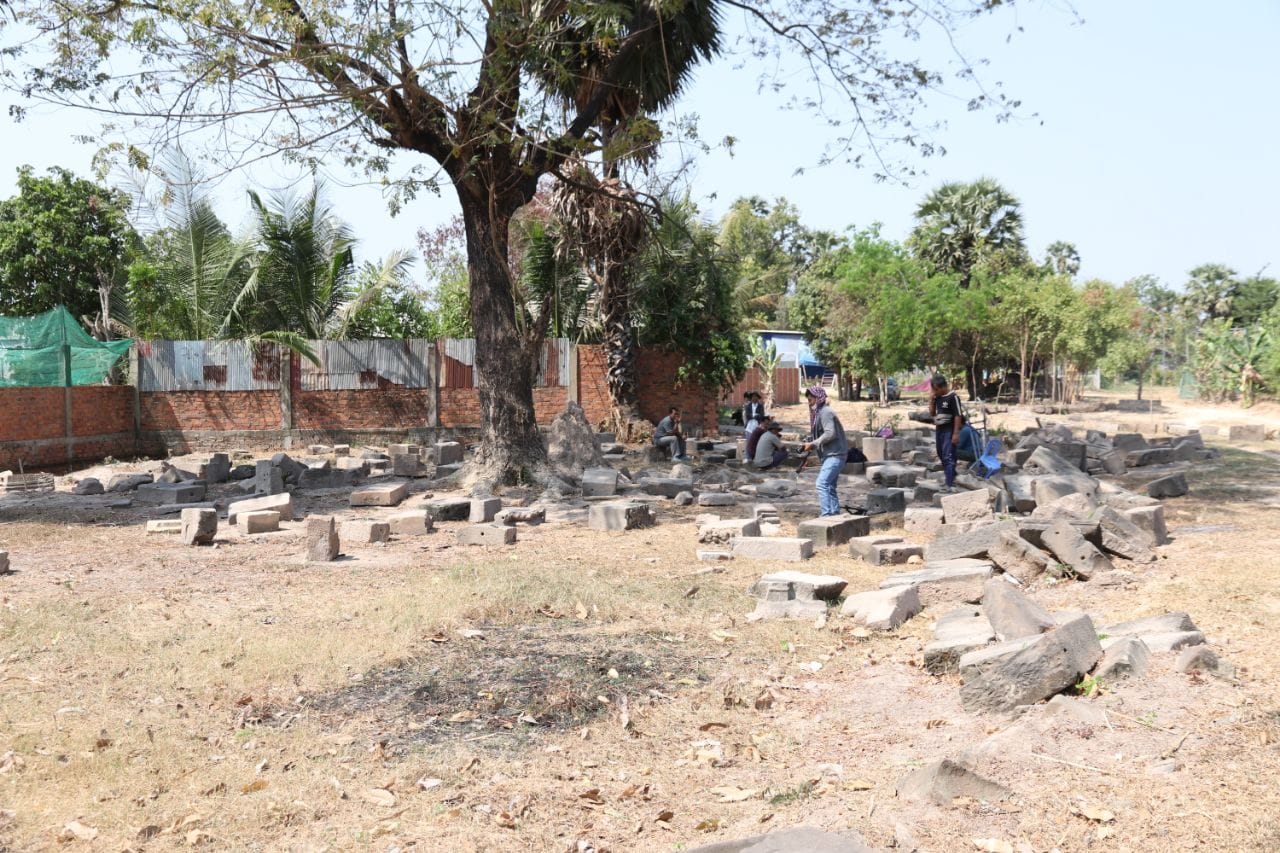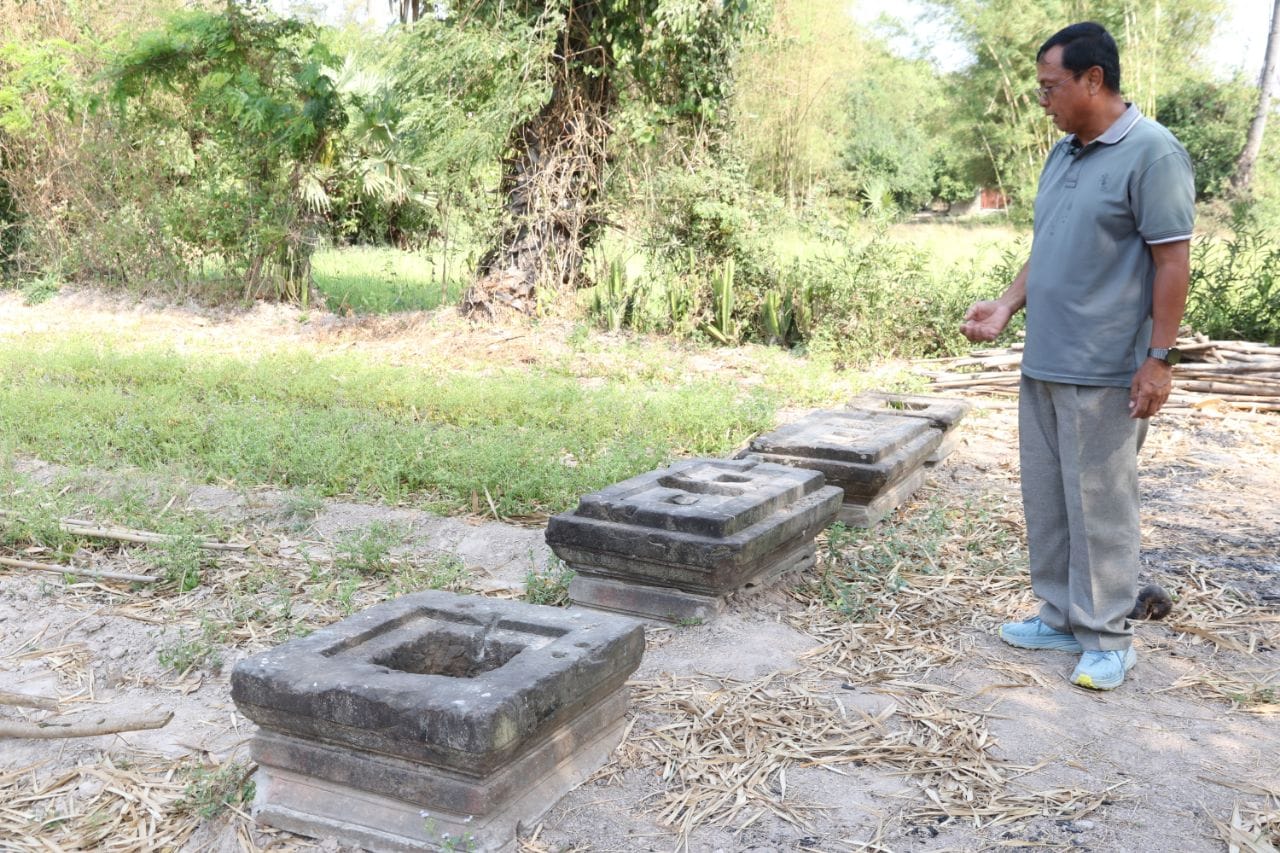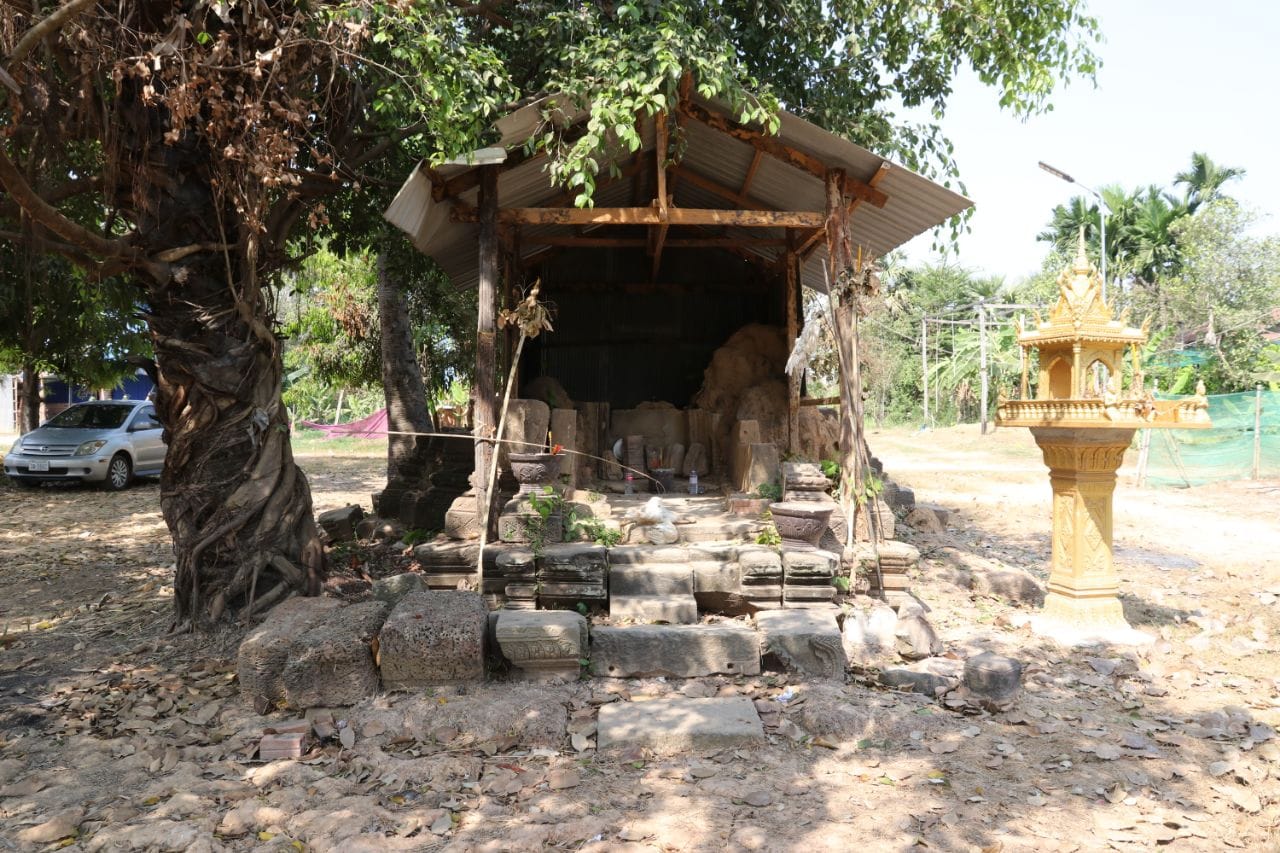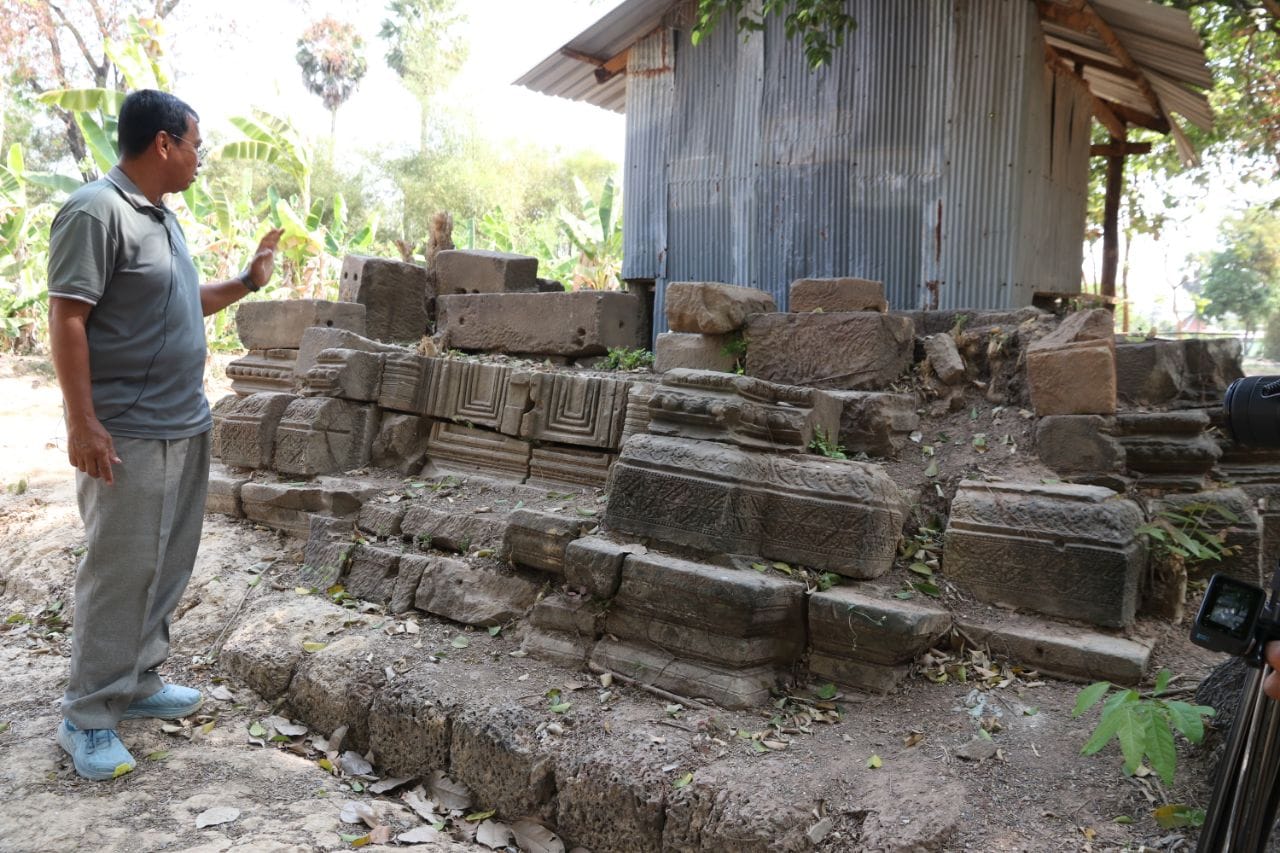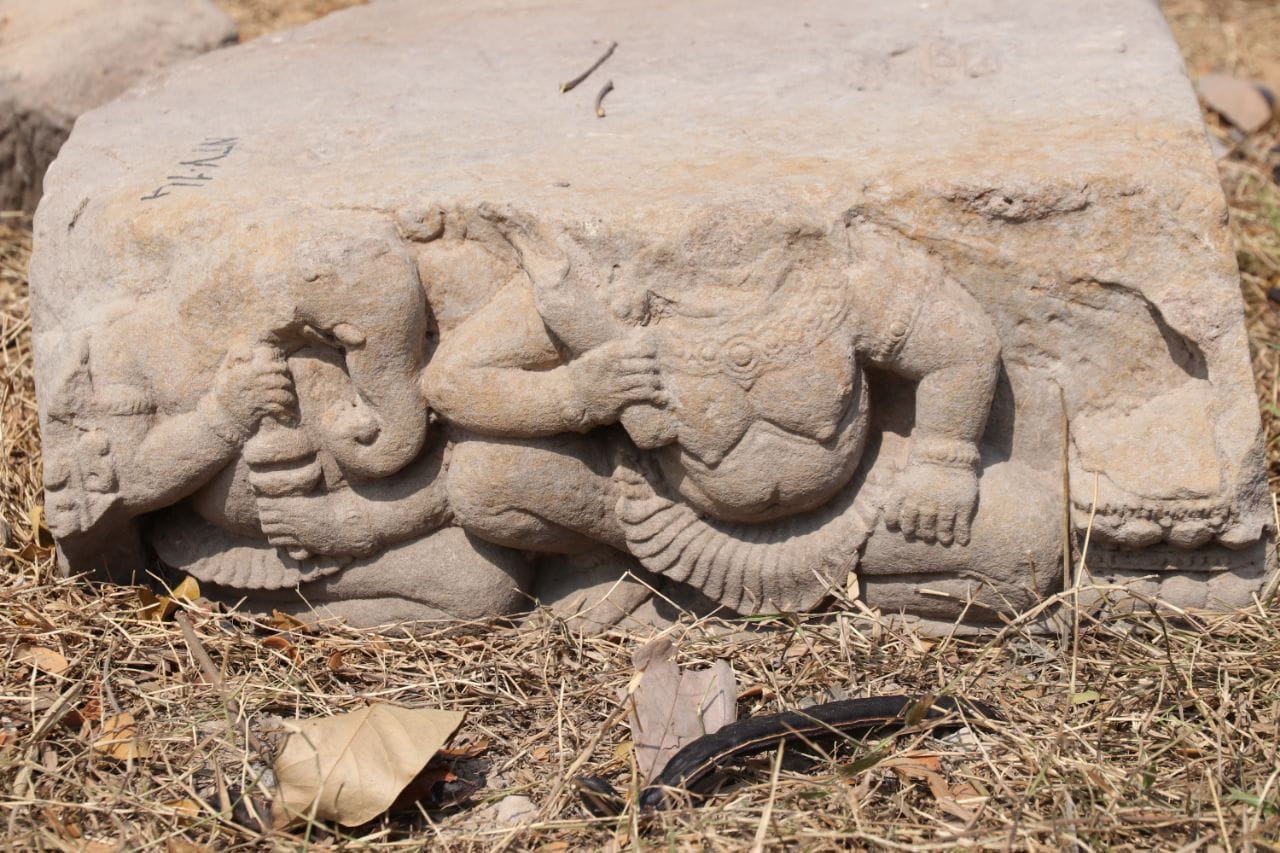





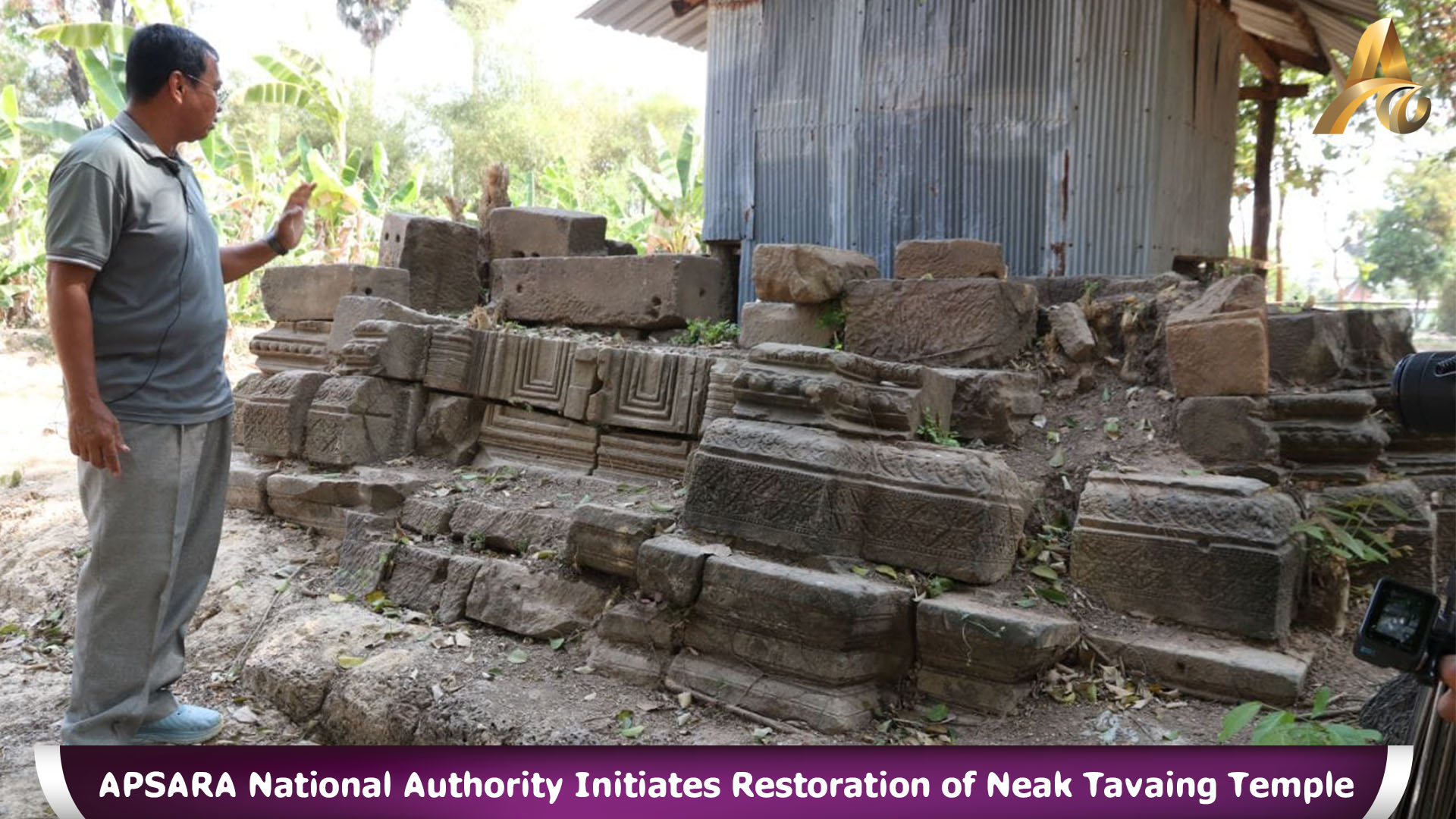








Sim Reap: The APSARA National Authority has embarked on a crucial project to clean and catalog the stones at Neak Tavaing Temple, locally known as Prasat Kork Tavaing, situated in Thmey Village, Sangkat Svay Dangkum, Siem Reap City. This modest yet significant temple, which has suffered considerable damage over time due to natural decay, aging, and human activities, is now the focus of an intensive preservation effort.
Ros Visoth, a Conservation Officer from the Department of Conservation of Monuments and Preventive Archaeology at the APSARA National Authority, detailed the comprehensive steps being taken to safeguard the temple's future. Following authorization from the APSARA National Authority's leadership, Visoth's team conducted an initial assessment of the site to address the immediate threats posed by encroaching construction and land alteration by nearby residents.
The preservation process involves meticulous clearing of the surrounding area and systematic documentation of the temple's scattered stones, prioritizing those with inscriptions. This documentation is crucial for understanding the original placement and significance of each stone within the temple's architecture. The team has already initiated tests for the potential restoration and reassembly of these stones, organized by their respective groups, laying the groundwork for a detailed restoration project proposal.
Historical records from the French School of the Far East (EFEO) reveal that the site underwent excavation in 1972, uncovering a tiled structure atop the temple, believed to have been used for religious ceremonies.
The APSARA National Authority is calling upon local officials and residents to actively participate in the conservation efforts, emphasizing the importance of safeguarding both major and minor historical sites. This initiative not only preserves the architectural legacy of the Khmer ancestors but also fosters a deeper appreciation and understanding of Cambodia's rich cultural heritage among the community.