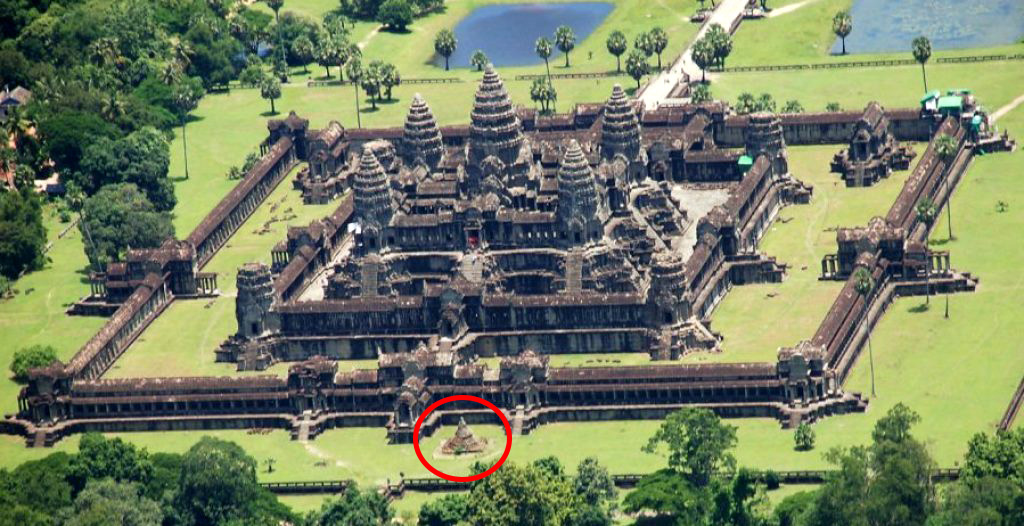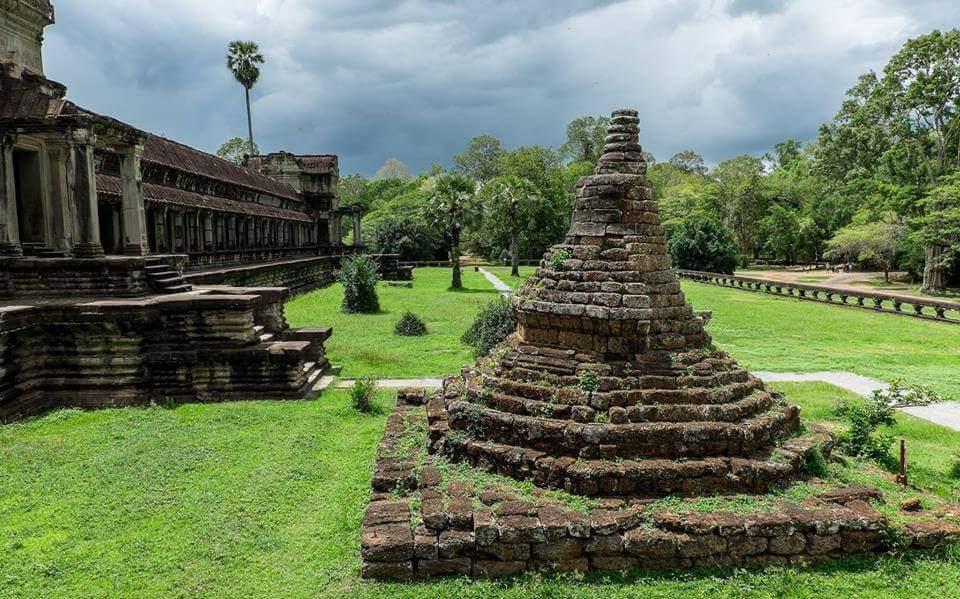





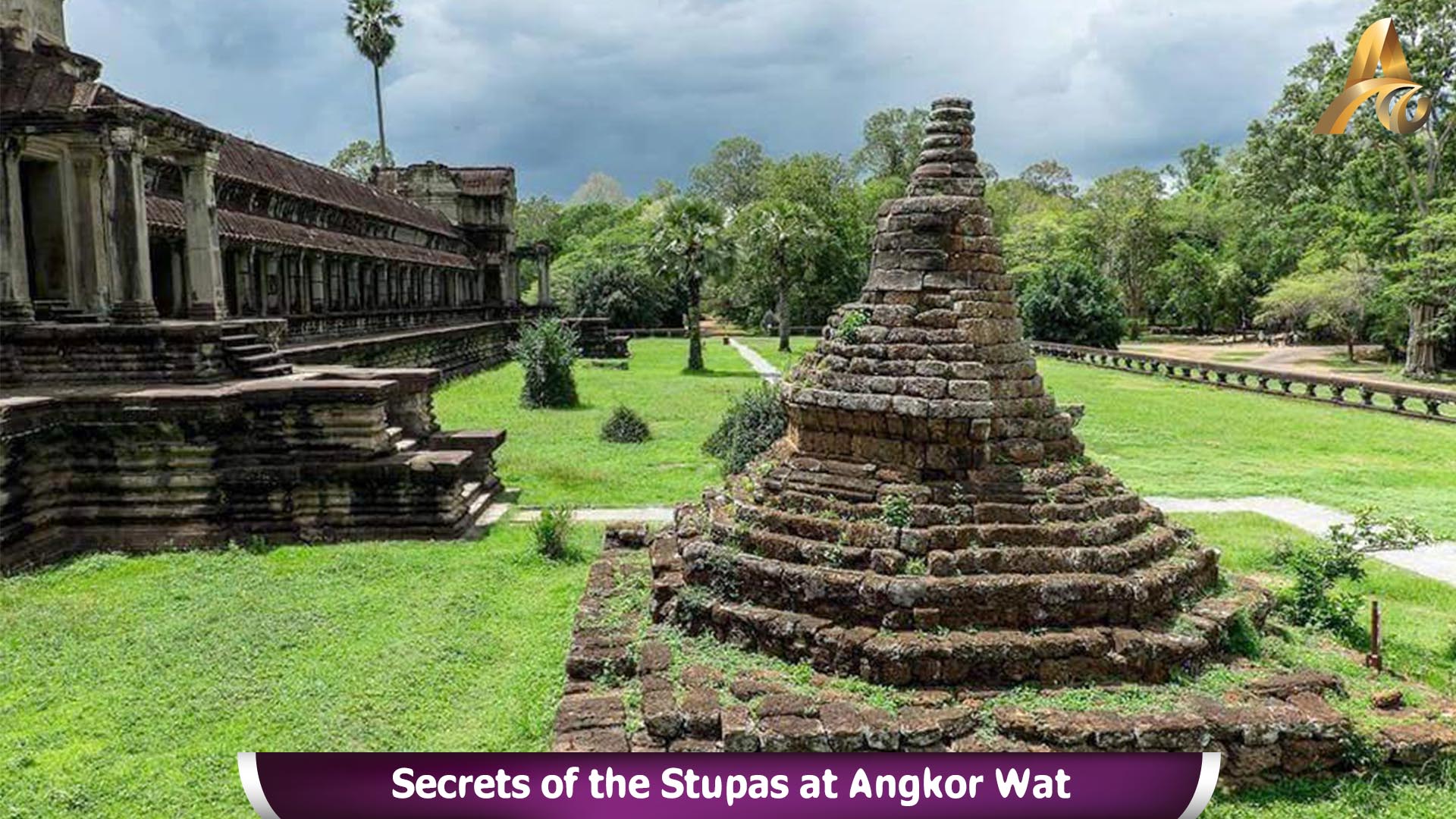








SIEM REAP: A stupa lies behind Angkor Wat to the east, which experts say house the bones of ancient Khmer ancestors. According to the Deputy Director of the Apsara Authority’s International Center for Research and Archives, Dr. Ear Darith, many bone piles have been found buried in and around the Angkor Wat during the 2,000 excavations.
The Deputy Director said that according to an inscription, the stupa was built by Chey Non, a high-ranking official in the palace, to bury his wife and two children. He noted that the general public also laid their loved ones to rest at Angkor Wat, believing it to be a holy and venerable place. According to Khmer history scholar Dr. Pov Savros, the Chey Non Stupa was built between 1623 AD and 1701 AD.
According to Ear Darith, during the 2000 excavations, conservation teams found many bones when excavating Angkor Wat’s drainage system, with some buried in the ground and others placed in pottery. It seems that locals were eager to associate their loved ones with the massive stupa of King Suryavarman II, or the temple of Angkor Wat, so that their dearly departed could be elevated in death.
According to inscriptions from the 16th to the 18th centuries, the temple of Angkor Wat was named "Vishnu Lok", after Suryavarman II. Angkor Wat at that time was considered both a temple and a stupa. According to the inscriptions at Angkor Wat, both the public and the royal family at that time came to worship, to heal and to pledge oaths.