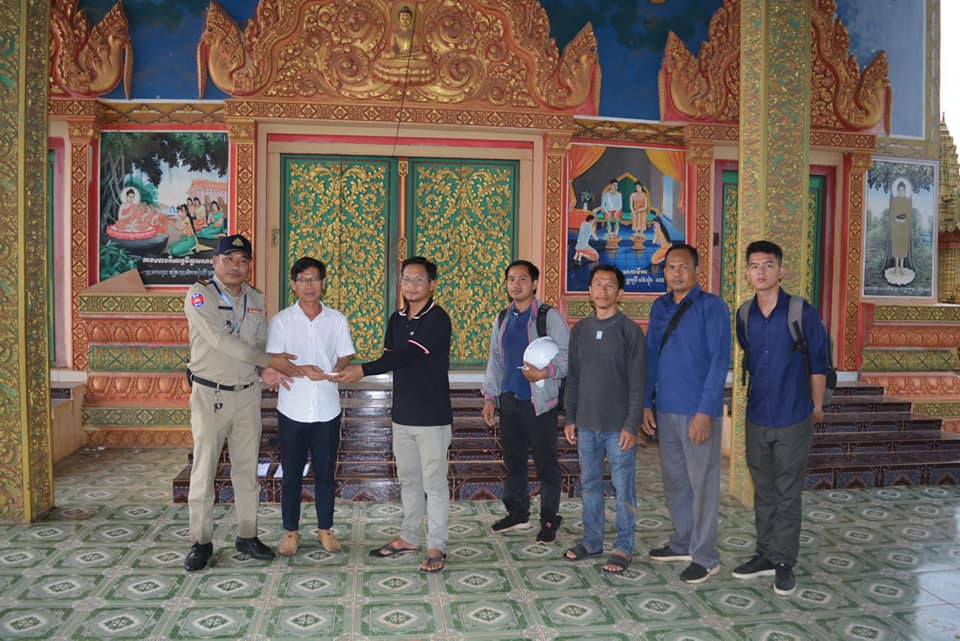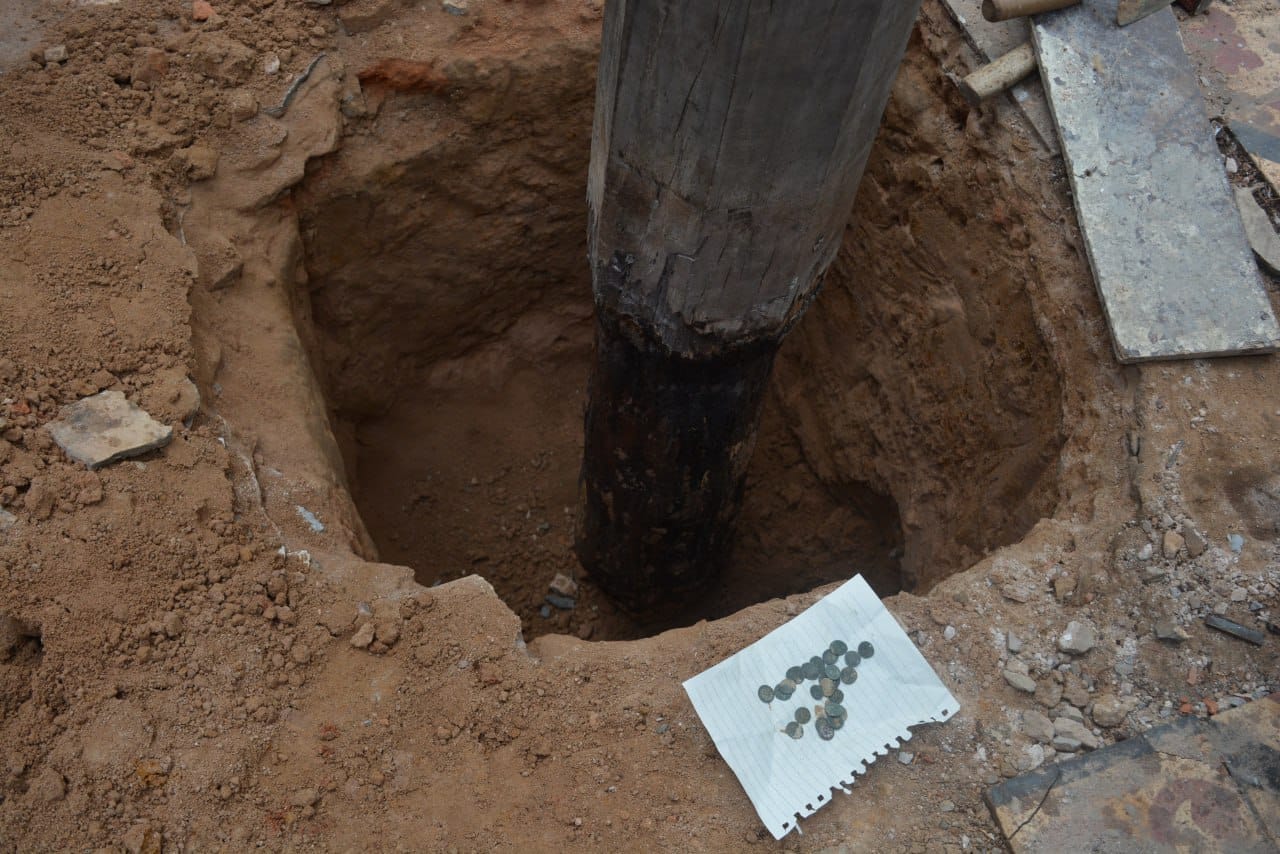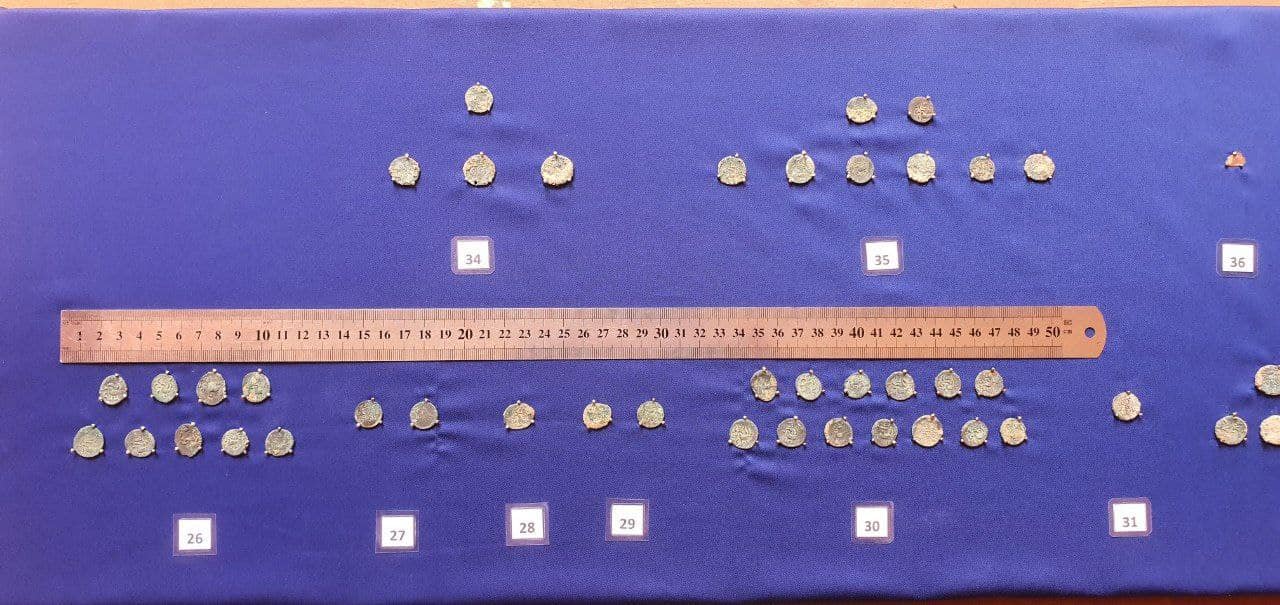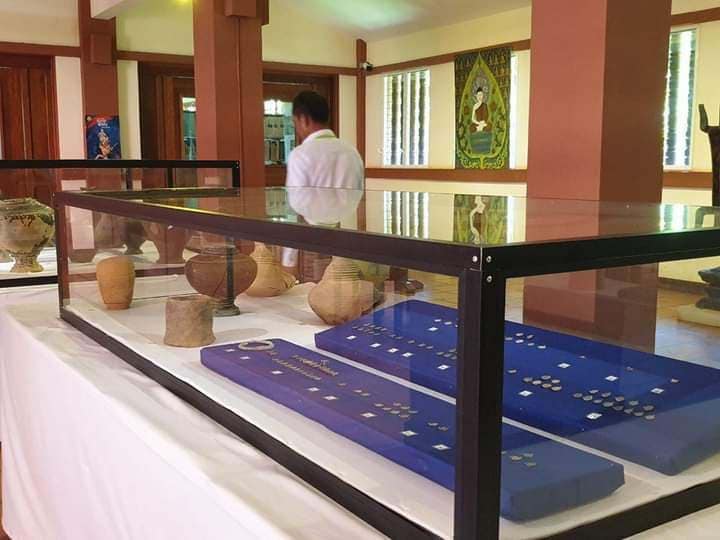













SIEM REAP: The APSARA National Authority's restoration team found a total of 116 coins buried at base of the pillars at Laok Pagoda, also known as Wat Aranh Rainsy, located in Siem Reap’s Prasat Bakong district.
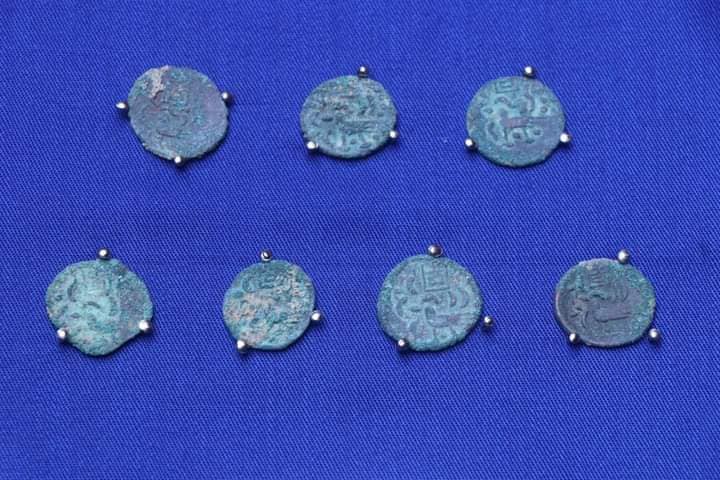
Three types of coins were found, each measuring 13-15 mm in size. Some depict a swan with the Chinese character "Ji" which means "good luck" and while others bear the words "Preah Tambong" on alongside the image of Garuda, the Hindu deity that appears as a birdman.
Bless Gilliang, co-director of the Preah Srey Içanavarman Museum, explained that the swan coin was printed in Cambodia from the 16th to 19th centuries AD. Those bearing the Chinese character “Ji” were printed and put into circulation in Battambang during the 19th century.
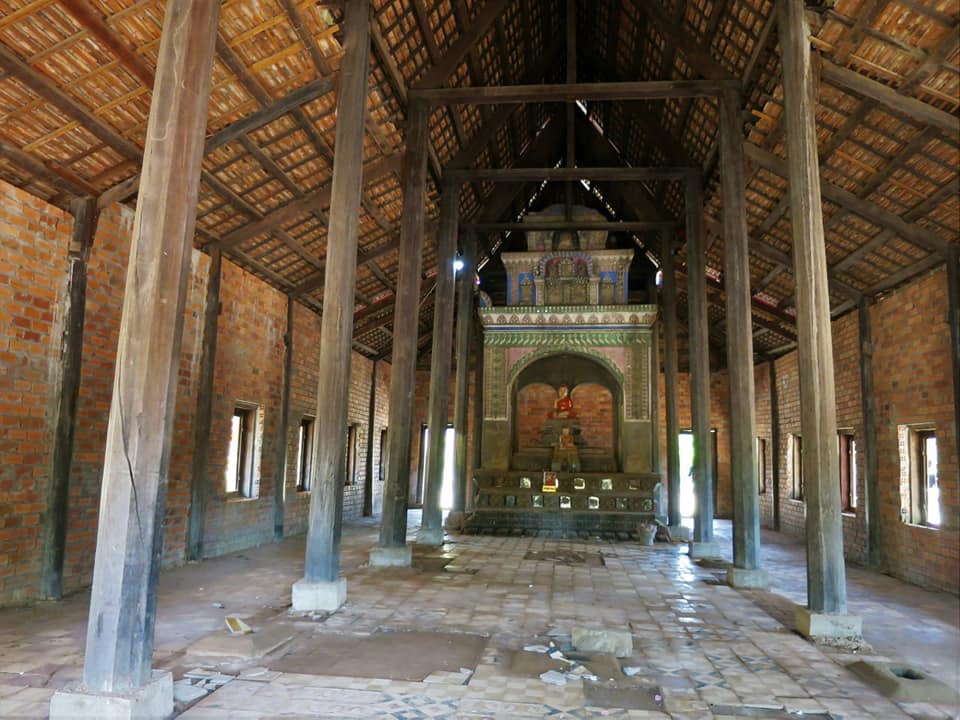
It is known that the Buddhist monastery of Laok Pagoda has historical value in both religion and art because of its long history. The Laok Pagoda was built with wooden components, tiled roofs, and brick walls around the mortar. The building has four rows of pillars. Its wooden pillars have been buried in the ground for many years and are in a state of disrepair, posing a risk for the monks who reside their and requiring experts to make necessary repairs.