














Archaeologists at the Angkor Temple complex continue to make exciting discoveries that provide a deeper look into Khmer history. Within the past month, researchers have discovered a ceramic kiln cluster and are reviewing what they believe to be a rare iron kiln site.
This week, the APSARA National Authority announced plans to excavate 25 mounds believed to contain ceramic kiln fragments after a kiln cluster was discovered on a large mound at the northwest corner of Angkor Thom in Siem Reap. The kiln was in operation from the mid-12th century until the early 15th century.
According to a report released by the APSARA Authority, the ceramic kiln cluster is located on a large mound stretching from east to west and is 230 meters long, 84 meters wide, and about 2.7 meters high. Deputy Director of the Department of Research, Training and Dissemination, Tin Tina, said that the discovery project has been underway since 2020, when a handful of researchers excavated two mounds and collected artifacts to confirm that the site contained ceramic kilns.
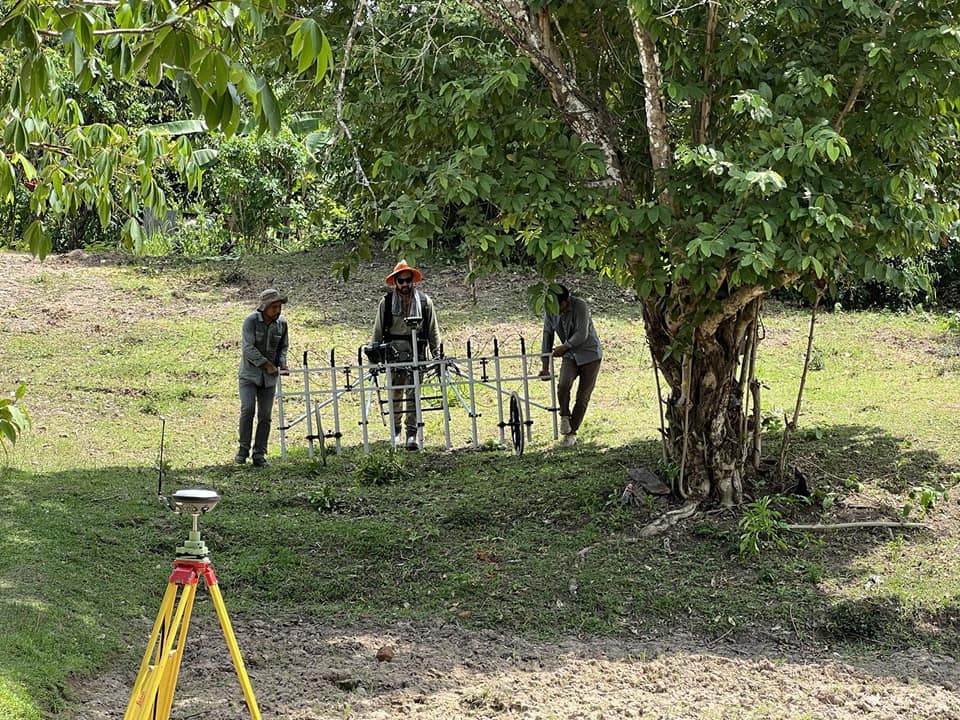
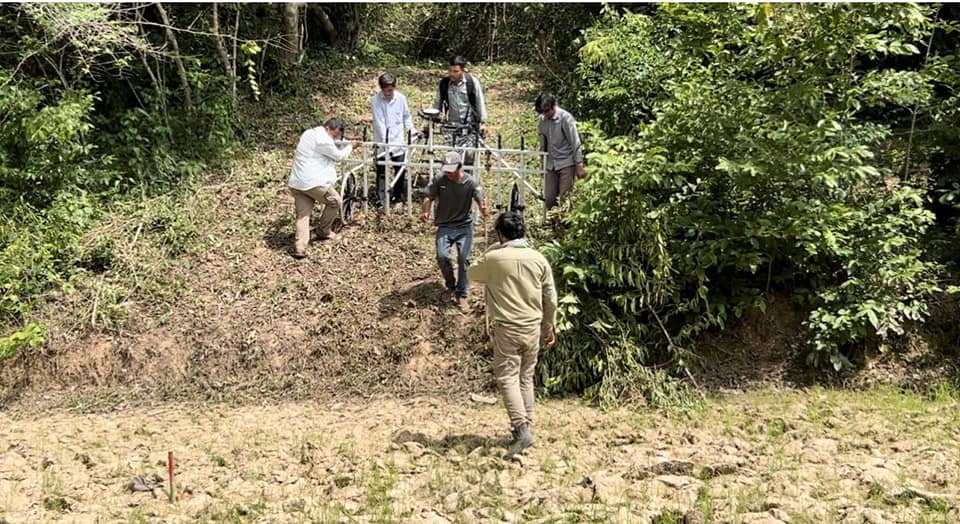
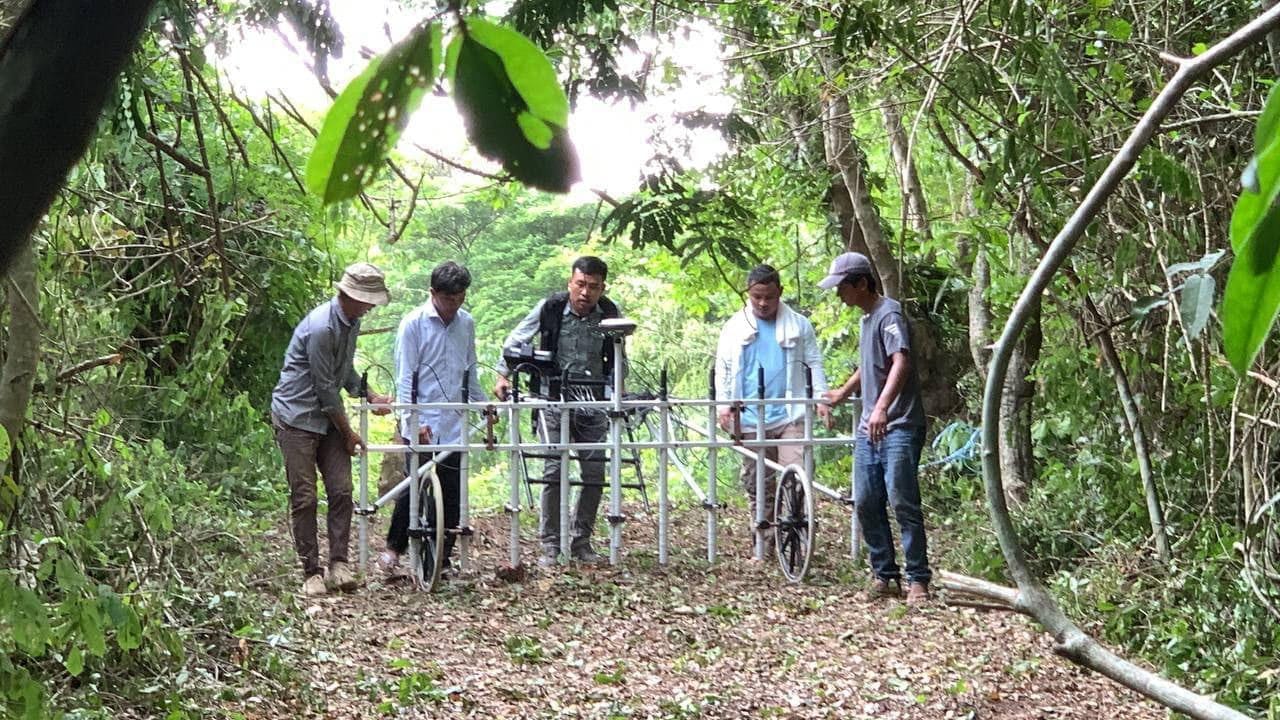
The APSARA National Authority recently partnered with the University of Hawaii and Flinders University to use a magnetometer to scan the temple complex, which has yielded results in multiple areas. Based on evidence such as scrap metal, stove fragments and the tradition of the villagers using iron ore as a cure for illness, researchers took a magnetometer on the grounds of Kok Ach Dek near Phnom Bok in Siem Reap’s Banteay Srei district. In late June, the team surveyed the area for proof of an ancient iron kiln that could have played a key role in supplying metals for home appliances, agricultural equipment, weapons, and other supplies for the 800,000 people of ancient Angkor.
Researchers aim to expand the study of the kiln sites and consider the data obtained from these excavations as a key foundation for future research.