



PM Risked His Life to Cross Border and Seek Help from Vietnam Instead of Waiting to Die by Pol Pot’s Hand








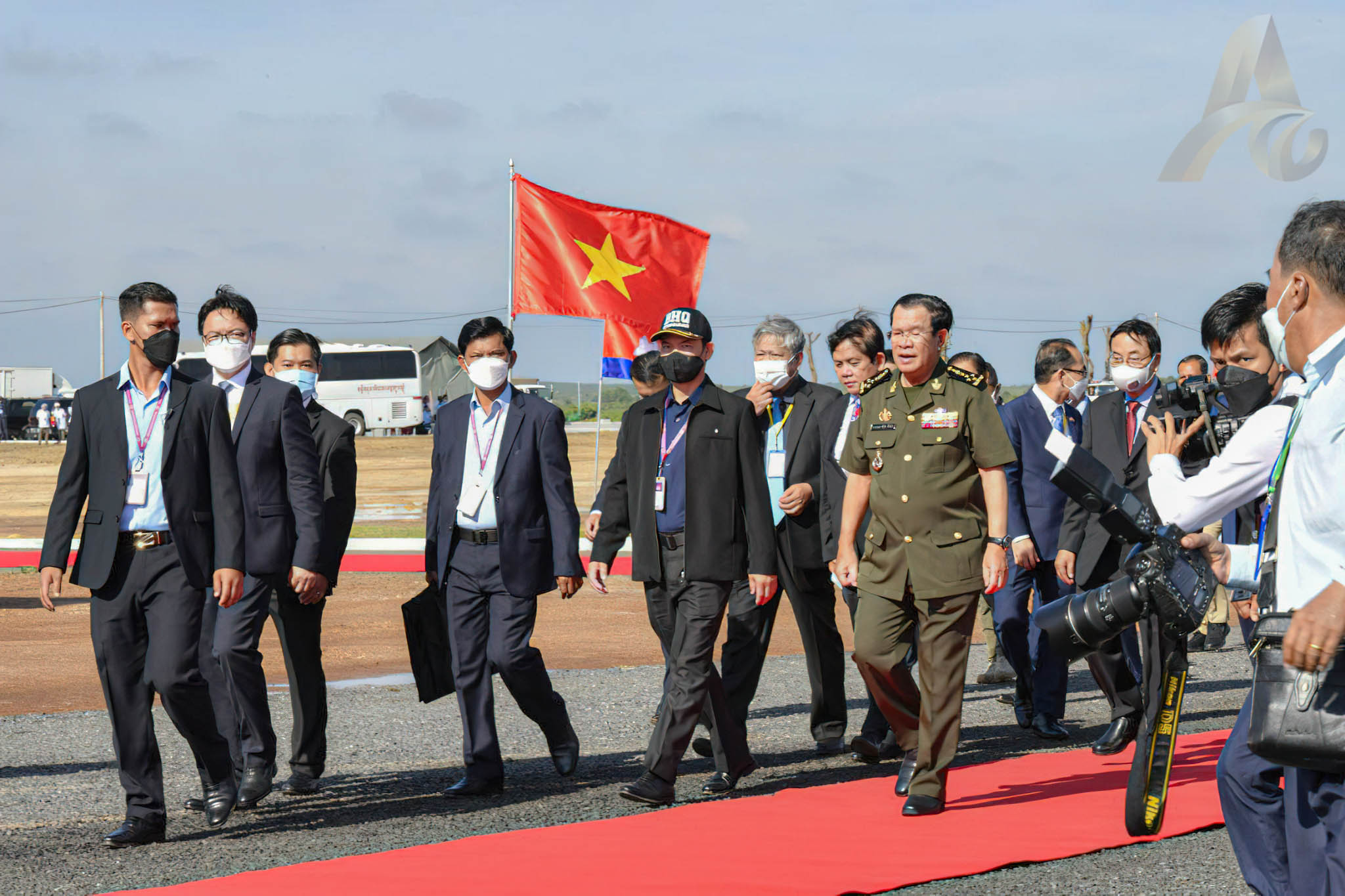
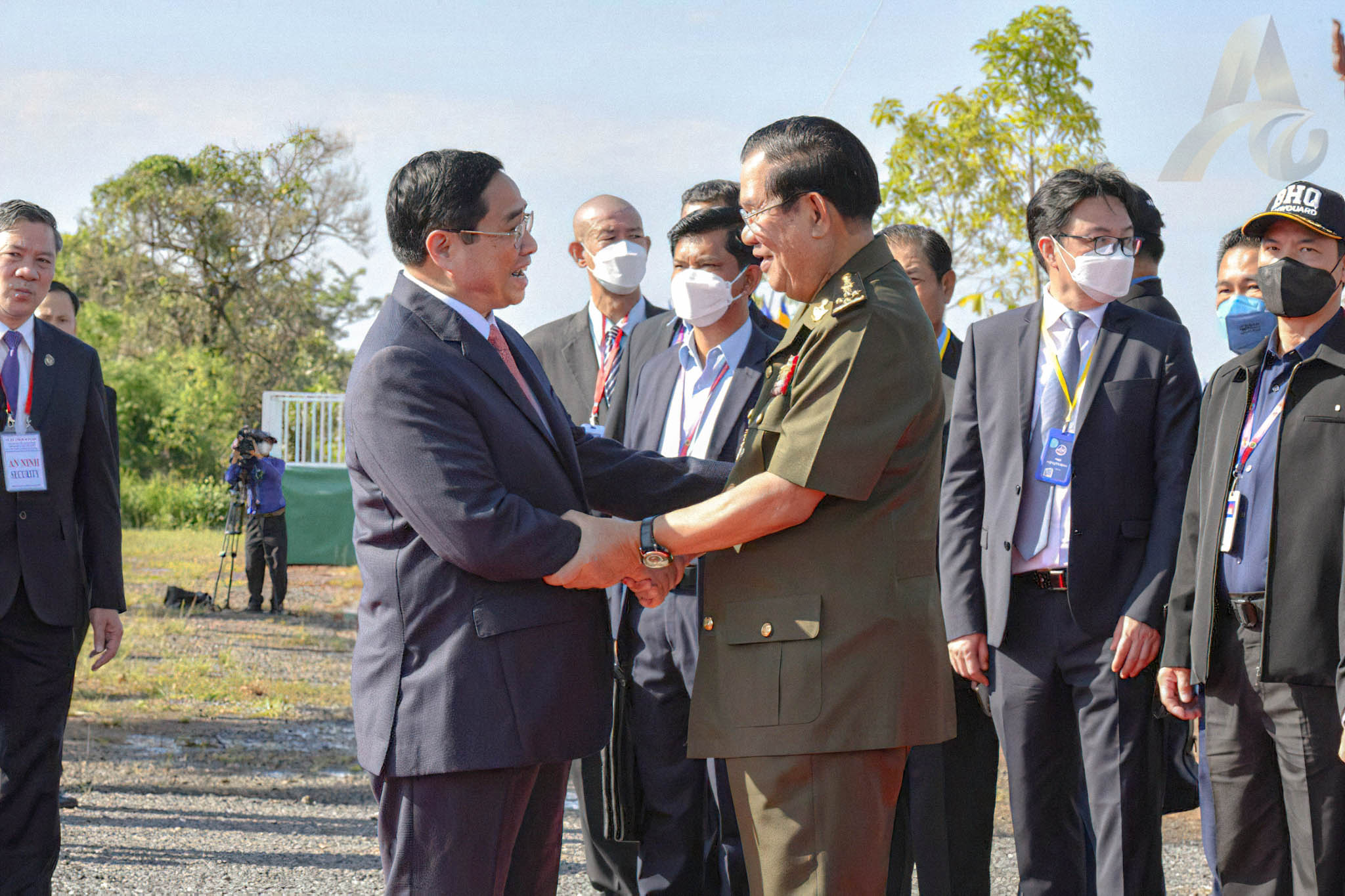
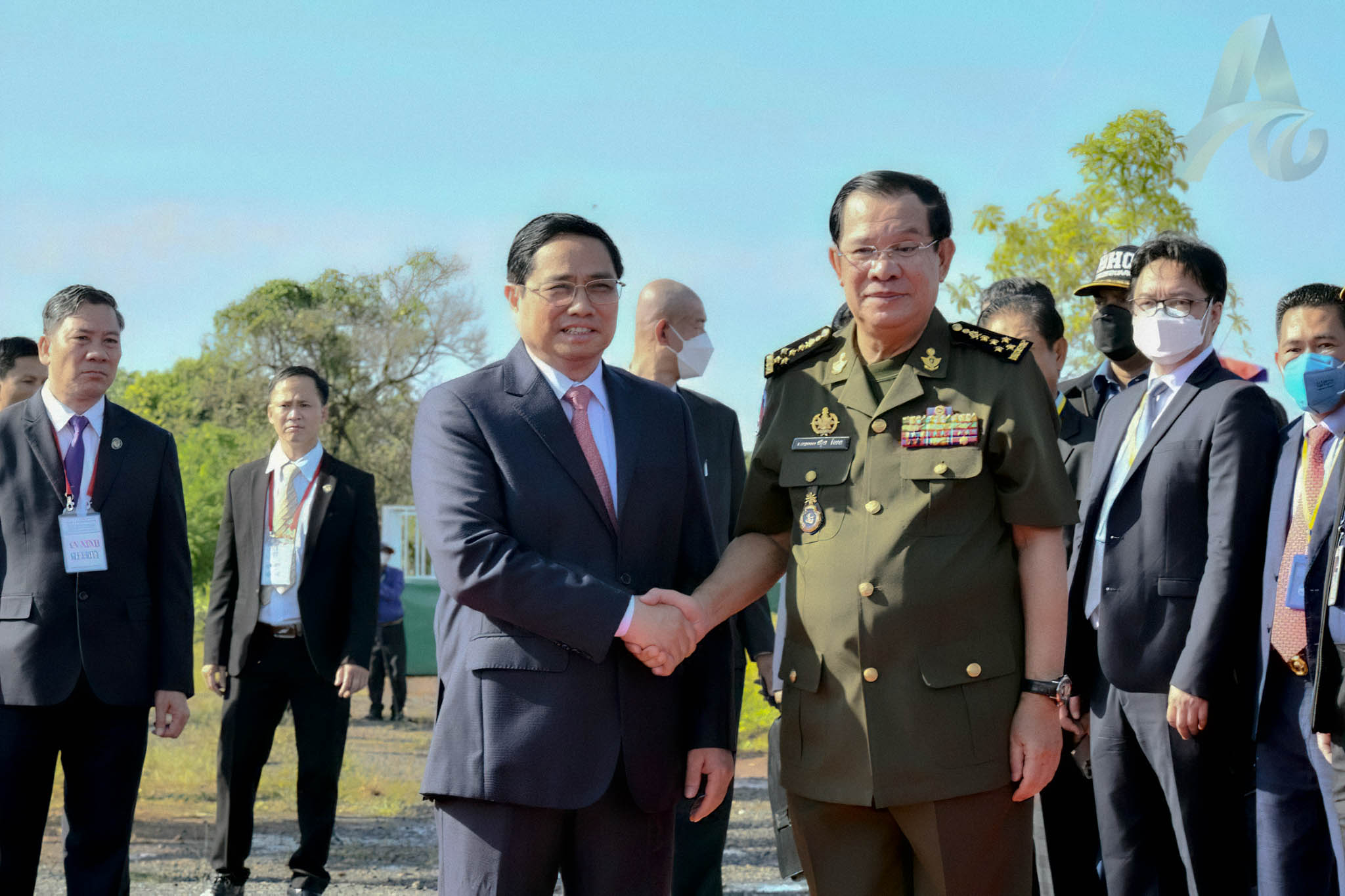
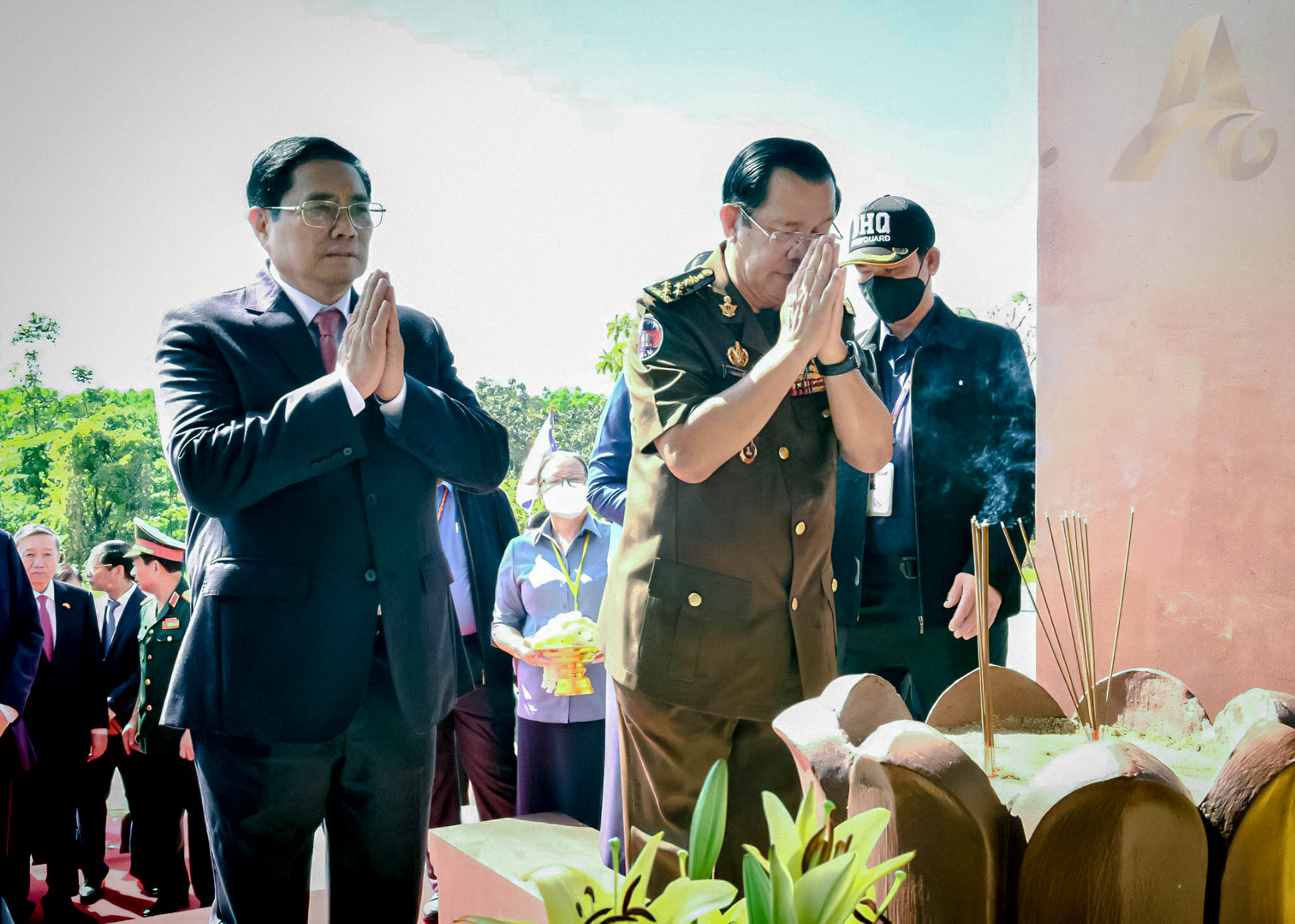
TBONG KHMUM: In 1977, when the Khmer Rouge took over Cambodia, Prime Minister Hun Sen was struggling to liberate the country. He had four options to choose from, but ultimately chose to cross the border to Vietnam to seek help at the risk of his life, instead of just waiting to be killed by Pol Pot.
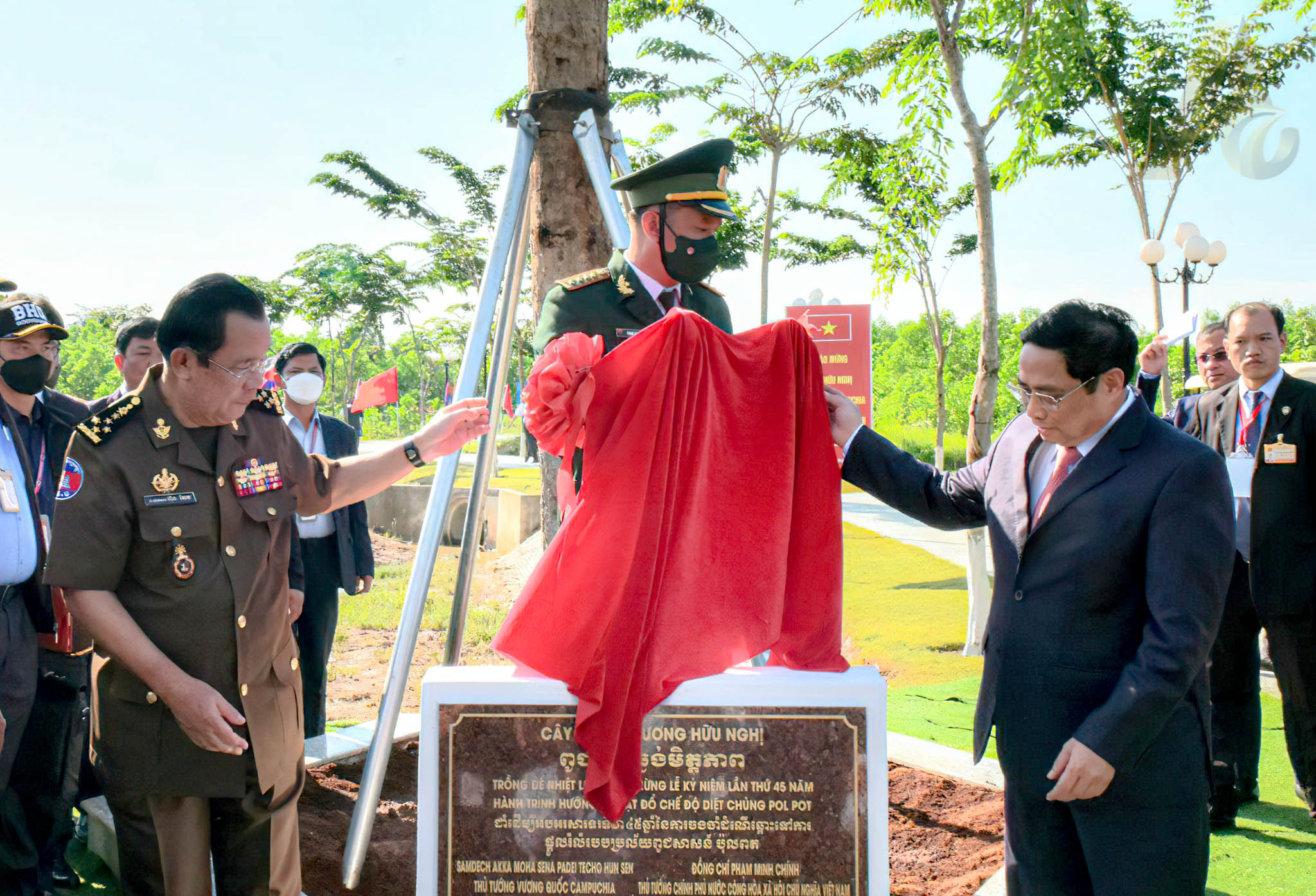
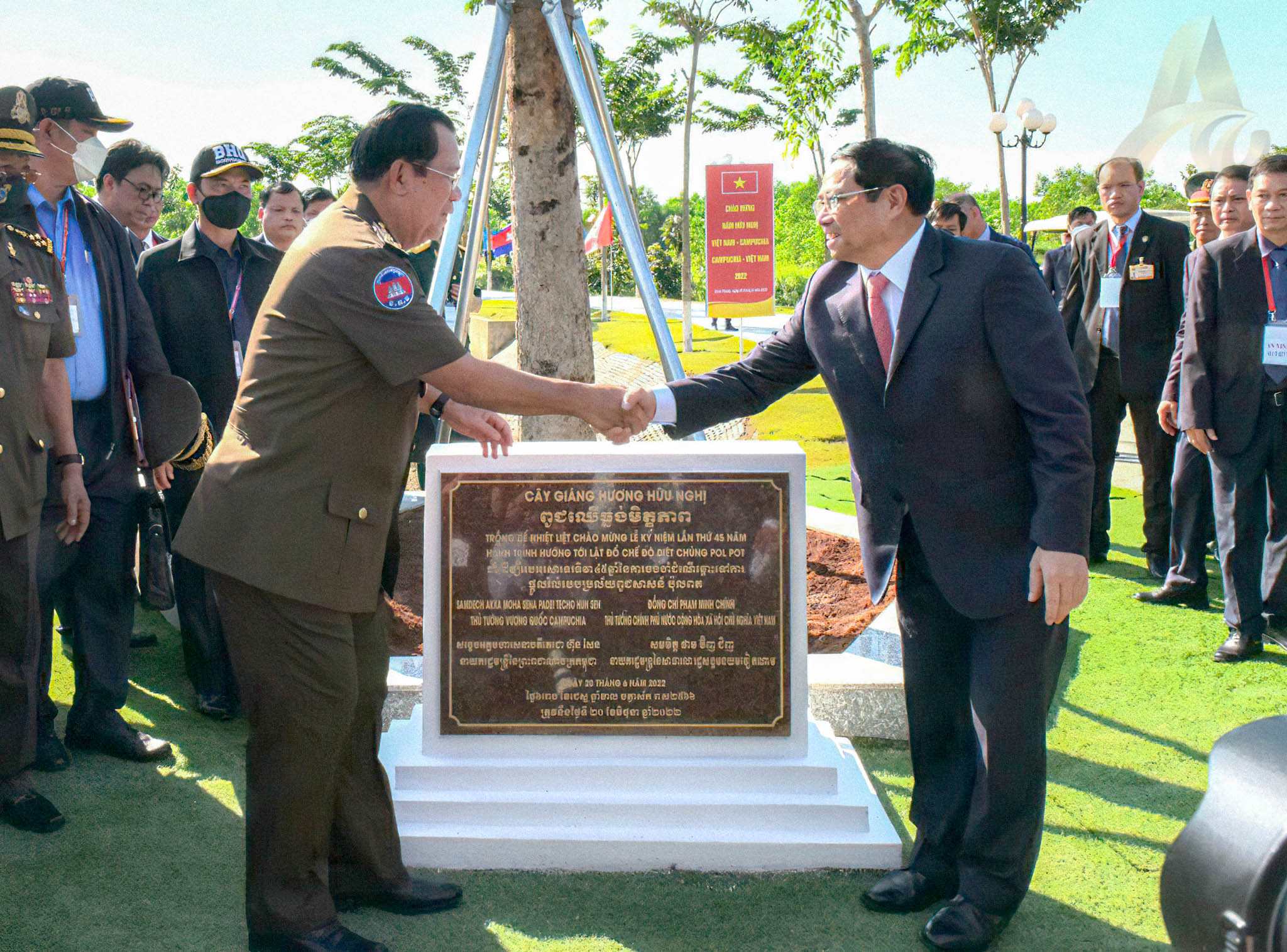
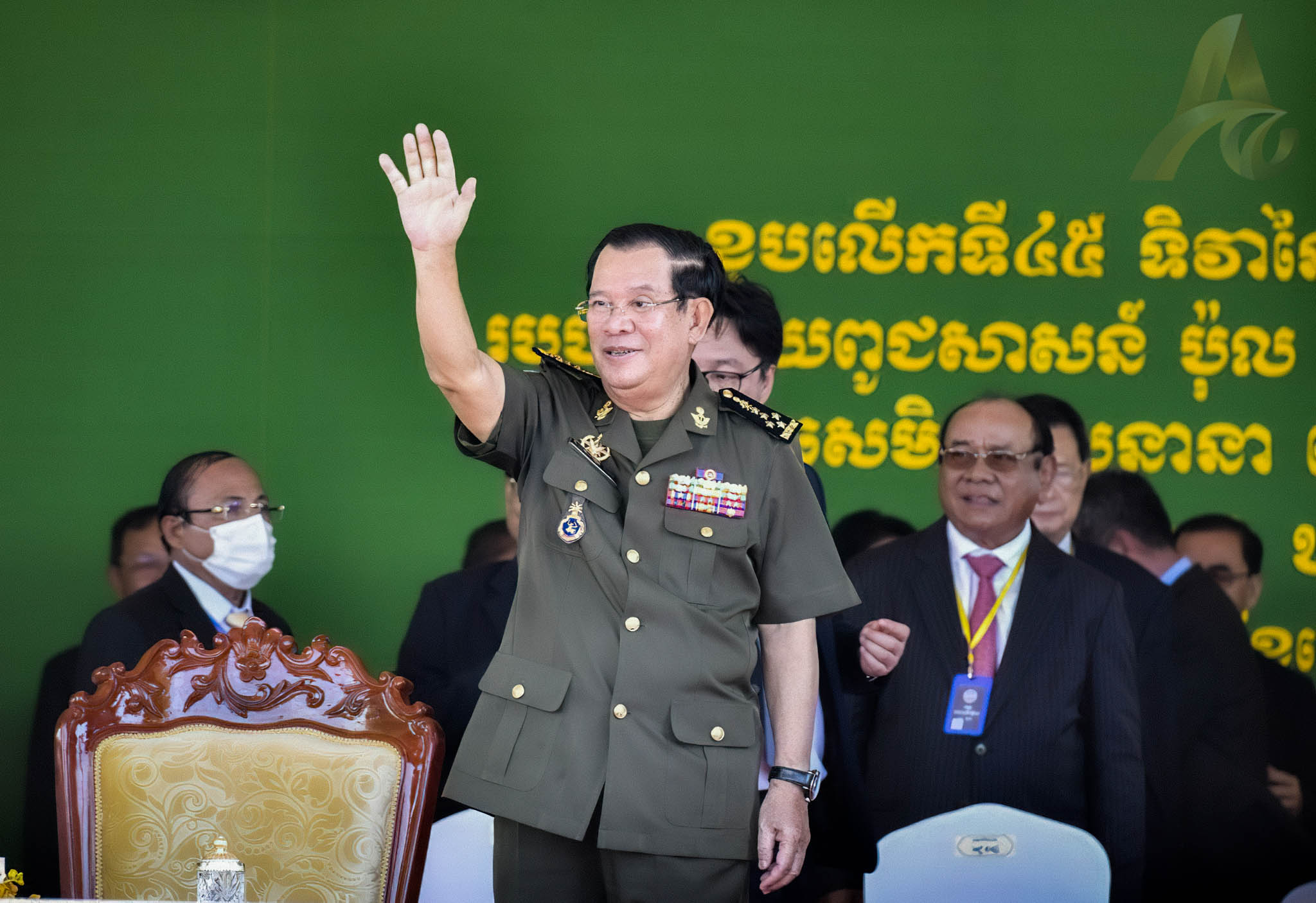
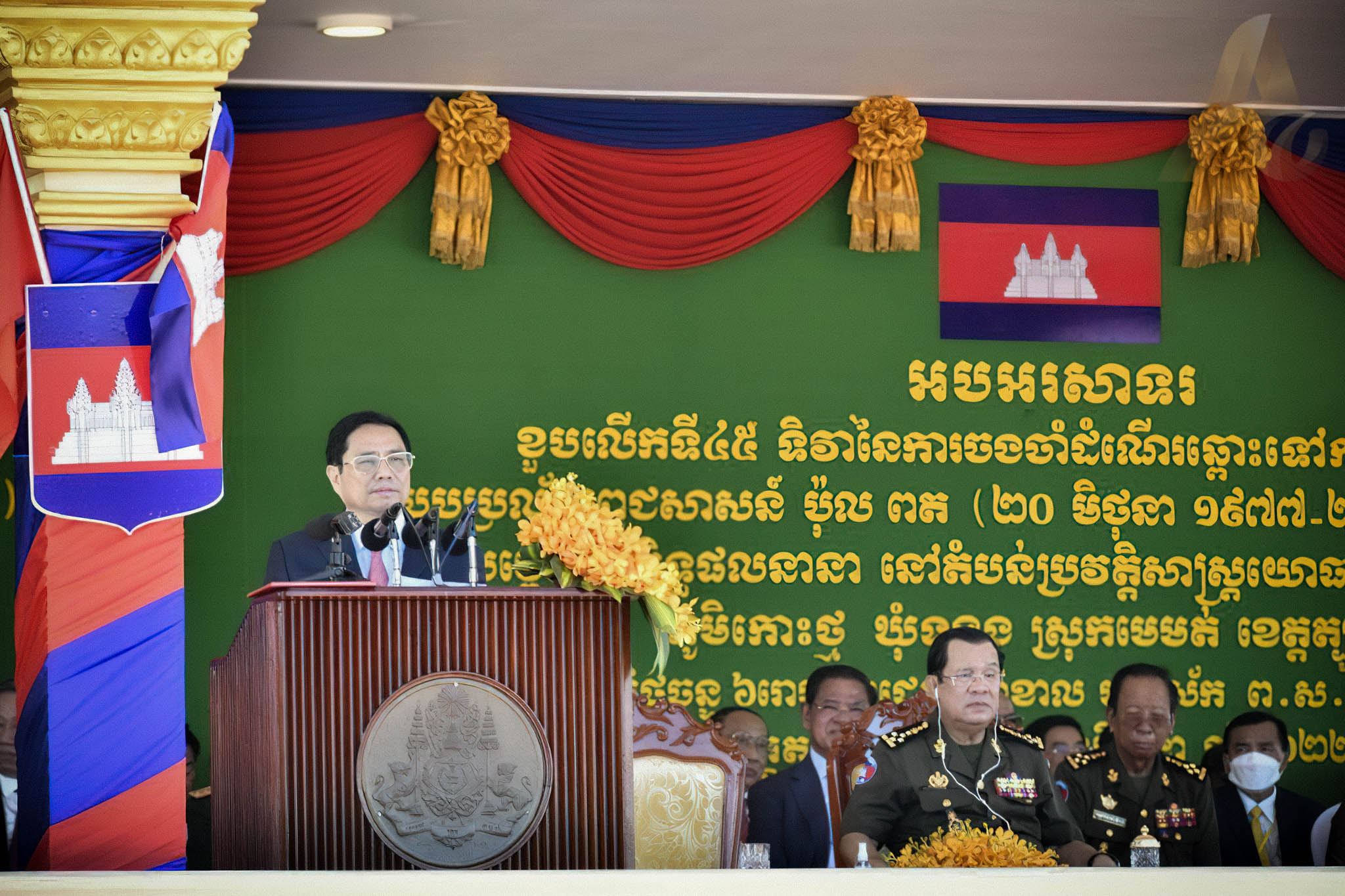
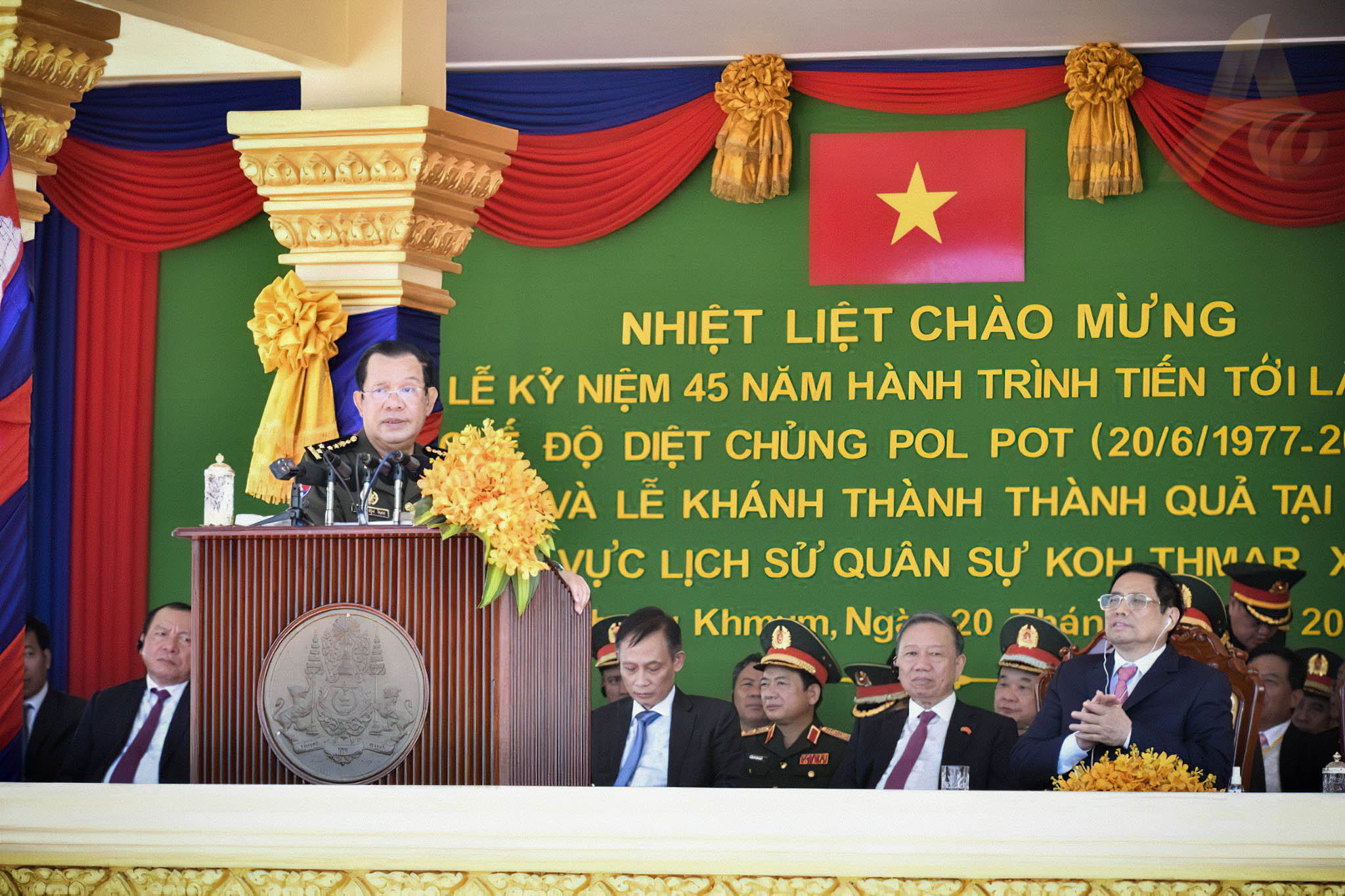
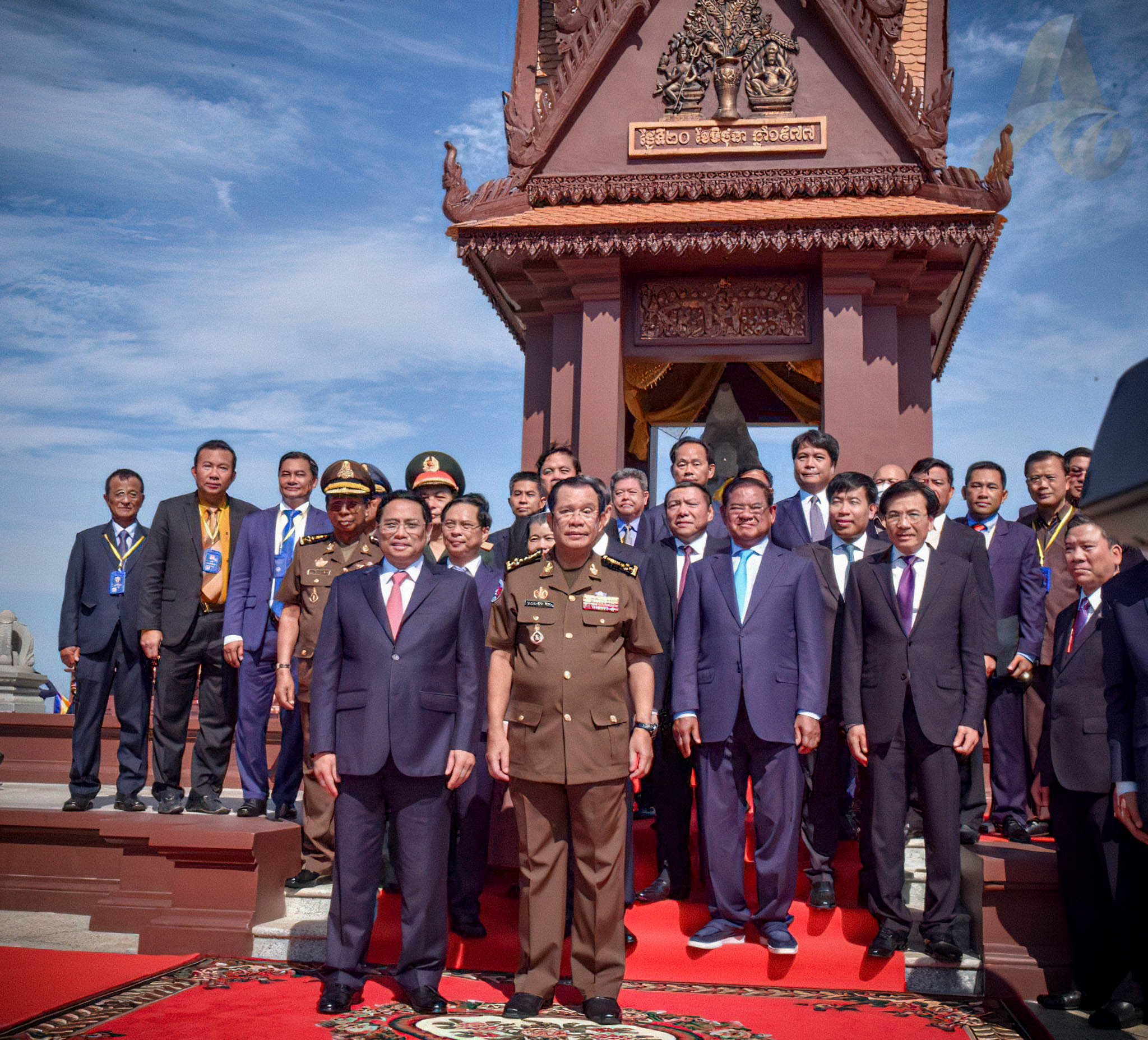
Speaking at the 45th Commemoration Day of the Historic Journey Leading to the Overthrow of the Pol Pot Genocidal Regime (20 June 1977-2022), on Monday morning, 20 June, Prime Minister Hun Sen said that he had four choices at the time.
The first option was to use the armed forces under his control, a large brigade of more than 2,000 people, but to use force and gain control of Memot, Snuol and other neighboring areas, which was a risky choice.
The second option he had was to cross the border to Vietnam by withdrawing and re-organizing the retaliation. The third option was to do nothing and let Pol Pot capture and kill him, like everyone else, and the fourth option was to commit suicide.
"I decided and chose the second option, to go to Vietnam to re-organize the retaliation, because this is not a new issue for Cambodia after the 1970 coup, Norodom Sihanouk had also relied on China and Vietnam to help get liberated from the Lon Nol regime," said Prime Minister Hun Sen.
He further added, "I really had a hard time deciding on this option, even though it was my choice. It was very difficult to leave my homeland, leaving my wife who was five-months pregnant. It was no joke for a young man who was only 25 years old. But standing still and letting Pol Pot continue to kill, or to commit suicide was not a good option, even if my hope was only 1% or less, I had to act on what was already done."
At the end of 1978, Vietnam sent its volunteer troops to join the Kampuchean United Front for National Salvation to overthrow the Khmer Rouge genocidal regime, enabling Cambodia to guarantee the right to life, which was the starting point for national development until today.