














INTERNATIONAL: Can printed solar panels power electric vehicles? Scientists in Australia will use printed plastic solar panels to charge a Tesla on a 9,400-mile journey beginning in September, hoping to get the public thinking about steps to help avert climate change.
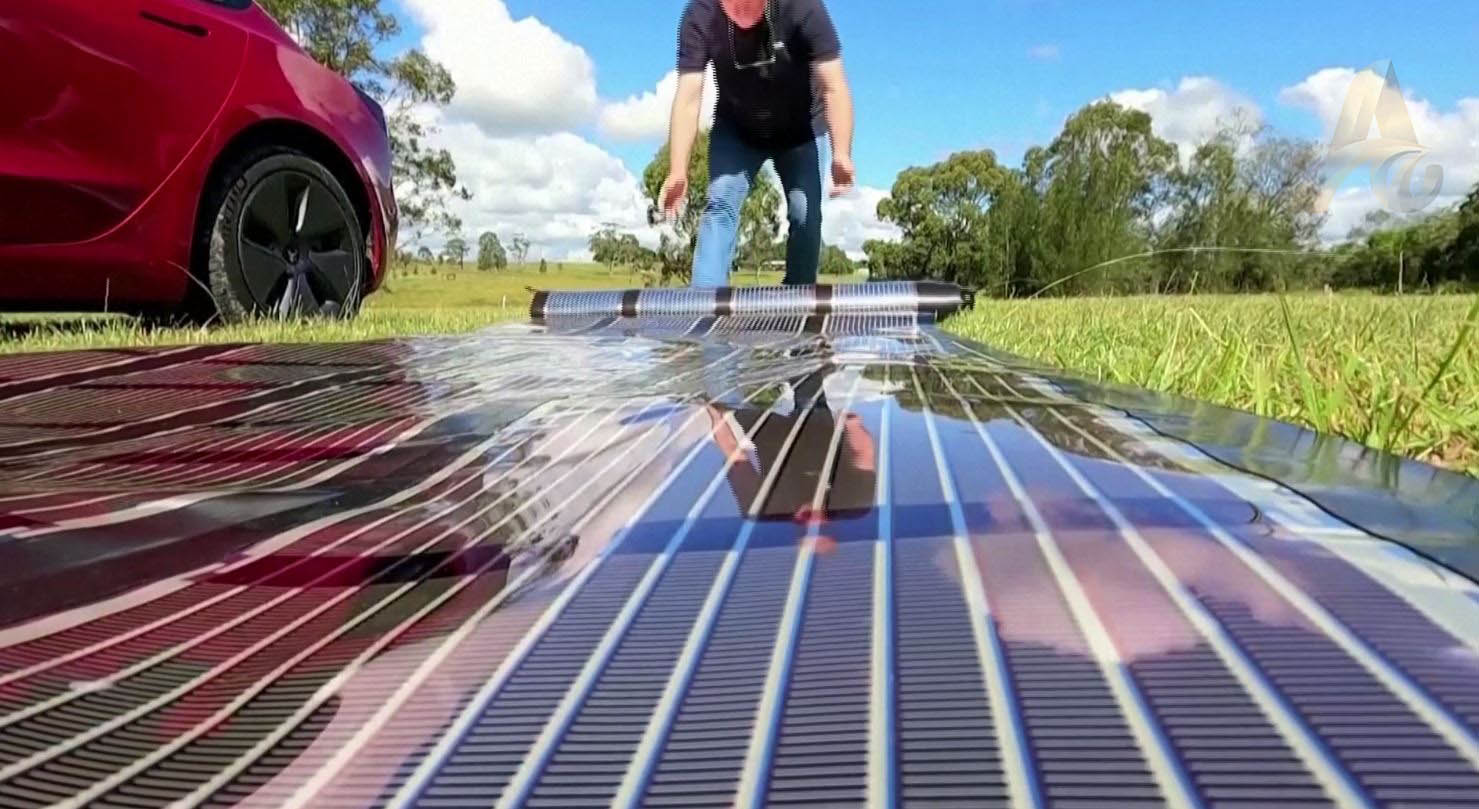
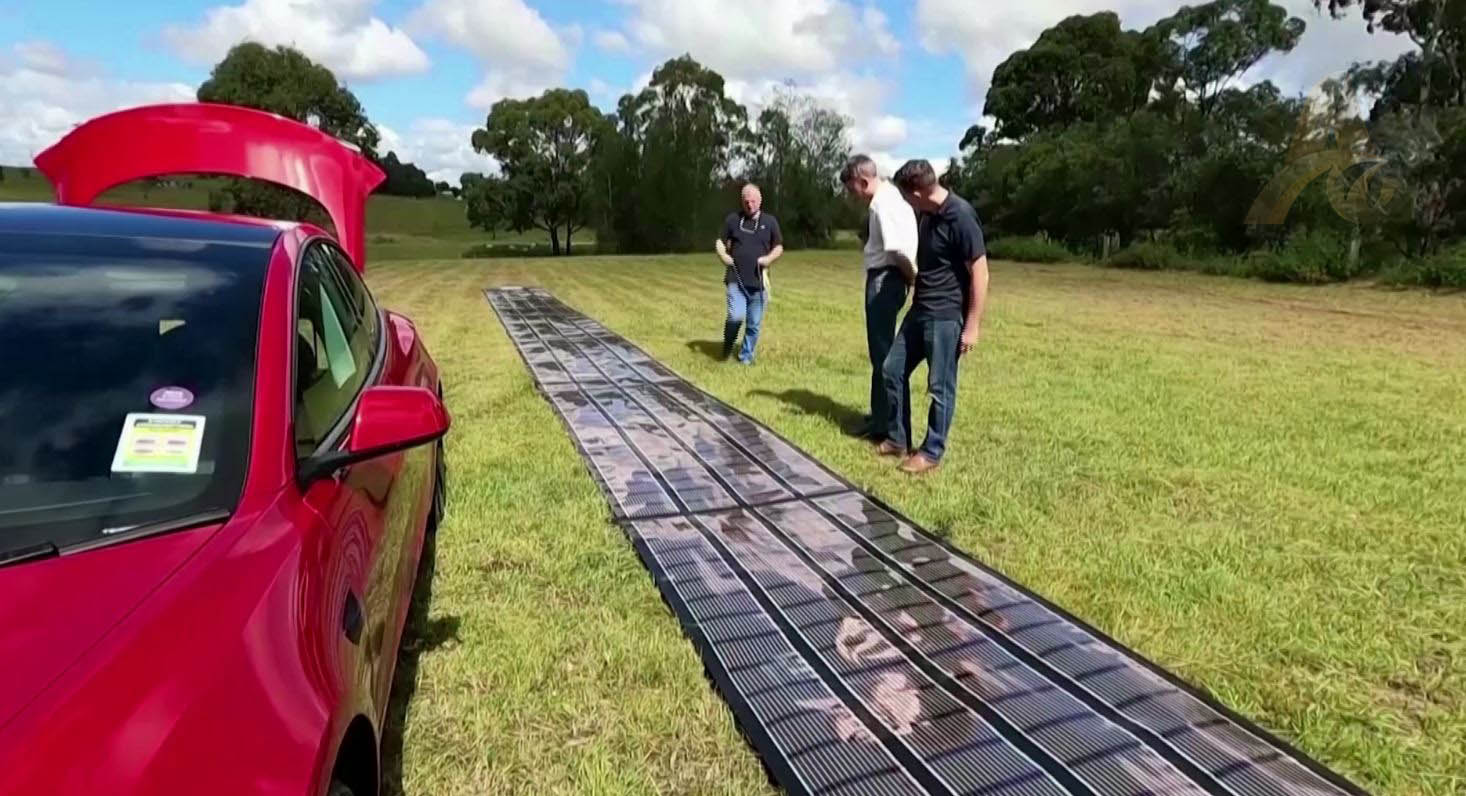
The Charge Around Australia project will power a Tesla electric car with 18 printed plastic solar panels, each 59 feet long.
The plan is to roll them out beside the vehicle to soak up sunlight when it needs a charge.
Paul Dastoor, the inventor of these solar panels, discussed the benefit of this lightweight technology to generate electricity in remote areas.
He said, "There are all the details that we are really interested in around the printed solar technology -- how will it last during the journey? Rolling? Unrolling? How will the charging characteristics work in various parts of Australia? But if we think about it, if we take a step back and we think about what we're actually doing, we're taking a vehicle to the remotest parts of Australia, probably even the remotest parts of the world, and taking and charging it with a lightweight technology that can generate electricity from sunlight."
Printed solar is a lightweight, laminated PET plastic that can be made at a cost of less than $8 a square meter.
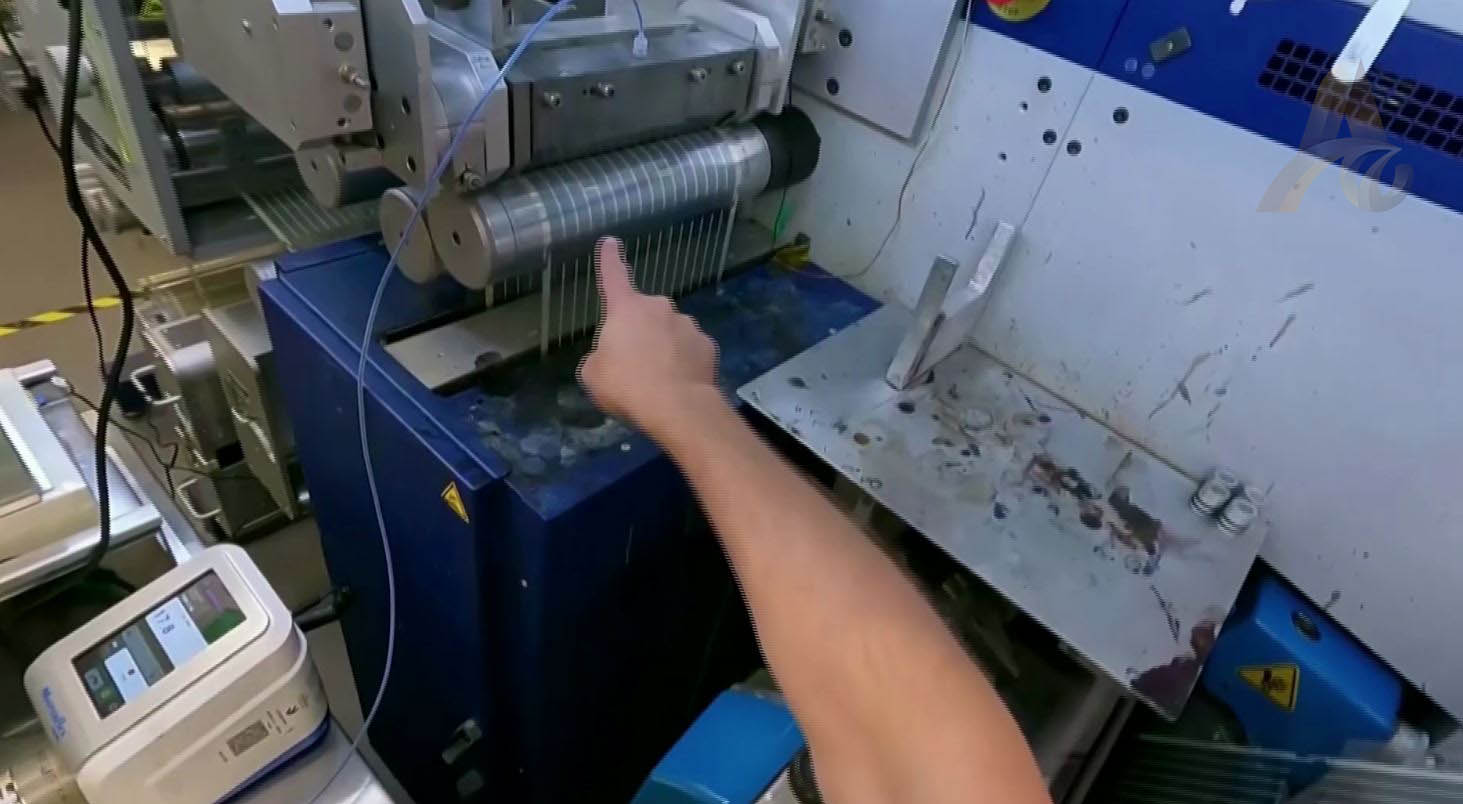
The panels are made on a commercial printer originally used for printing wine labels.
On their 84-day Tesla journey, the team plans to visit about 70 schools to give students a taste of what the future may hold.
Dastoor hopes that if Elon Musk finds out about it, he would be very pleased with the innovative technology combined with Tesla's developments to develop new solutions for the planet.